
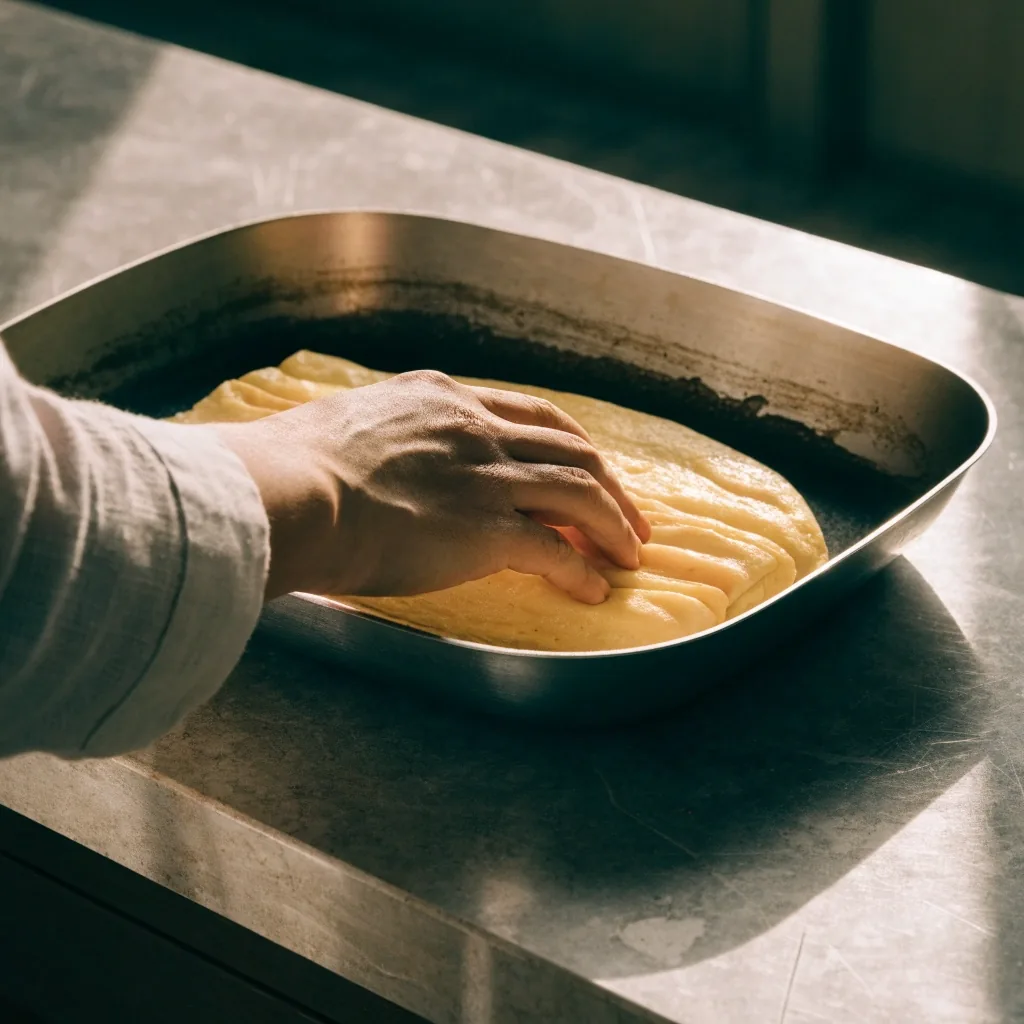
Contributors write from their own kitchens: a flat pan, a single gas ring, the same shopping street each week. Recipes that only behave under restaurant heat are flagged, so nobody sets out expecting a kitchen they do not have.
About the journal
A reading room for traditional Japanese cooking, written by people who cook it at home.
This journal is written by home cooks for home cooks. The recipes come from a small group of contributors who cook Japanese food at home, some in Japan and some in Britain. Each recipe is tested in a domestic kitchen with ordinary equipment before it appears, and where a technique is difficult or consistently goes wrong for readers, that is stated openly rather than glossed over.
Contributors write from their own kitchens: a flat pan, a single gas ring, the same shopping street each week. Recipes that only behave under restaurant heat are flagged, so nobody sets out expecting a kitchen they do not have.
A recipe is only useful if it works on a weeknight. Contributors cook each dish in an ordinary home kitchen before it is published, then note the equipment it assumes: pan size, whether a lid is needed, how the dish behaves if a step runs long.
Two countries, one method: a small group of contributors cooking Japanese food at home in Japan and in Britain.
Steps that are difficult or commonly go wrong for readers are named in the method instead of being smoothed over.
The method is built so you can read it once, cook from it, and judge for yourself where a step can bend.
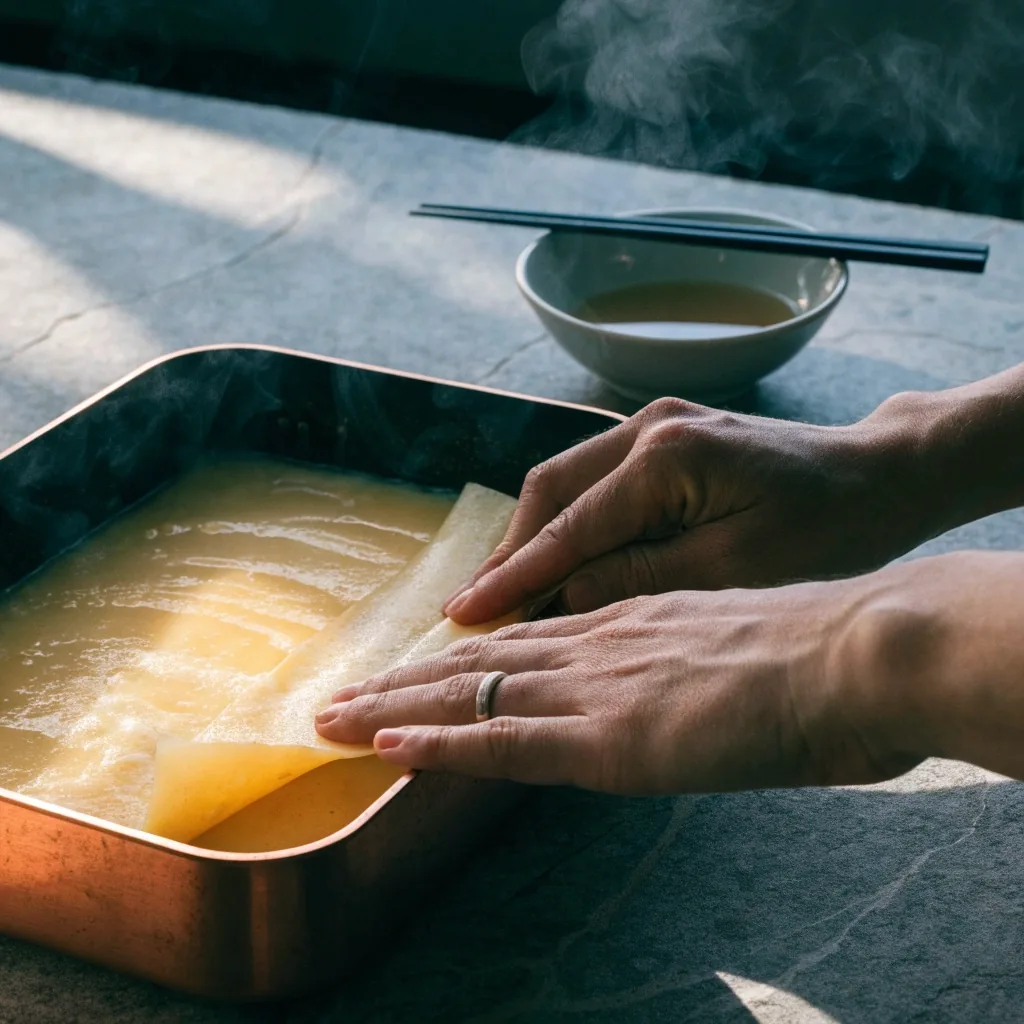
Ingredients are listed in the order they are used, and quantities stay approximate where taste should decide. Method steps explain the reason for doing something, so you can judge when to deviate. Where a dish belongs to a specific season or occasion, that context appears alongside the steps.
Season and occasion sit beside the method rather than in a separate note, so the context arrives while you are reading the steps.
Everything here is text and explanation for reference. There is no shop attached, nothing on the site is sold, and no page asks you for a decision about anything other than what to cook.
Historical notes stay close to what is reasonably documented, and unsourced claims are left out rather than dressed up as fact. Recipe claims are tested rather than asserted. When readers point out an error, the correction is made and the recipe is retested.
Seasonal guides are updated through the year as ingredients come and go. Readers who cook in different climates send notes about what is available where they live, and those notes inform updates. If a seasonal suggestion does not work in your region, that is useful to know.
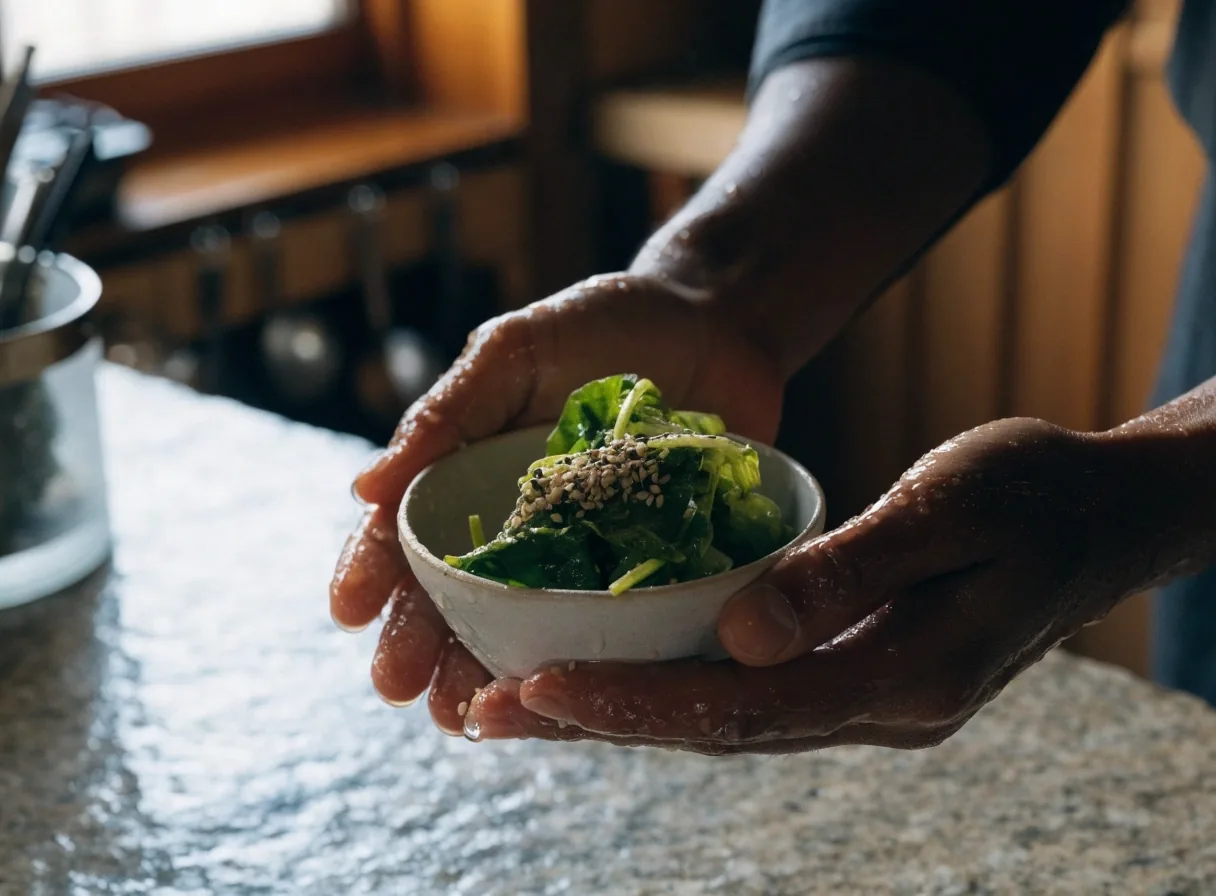
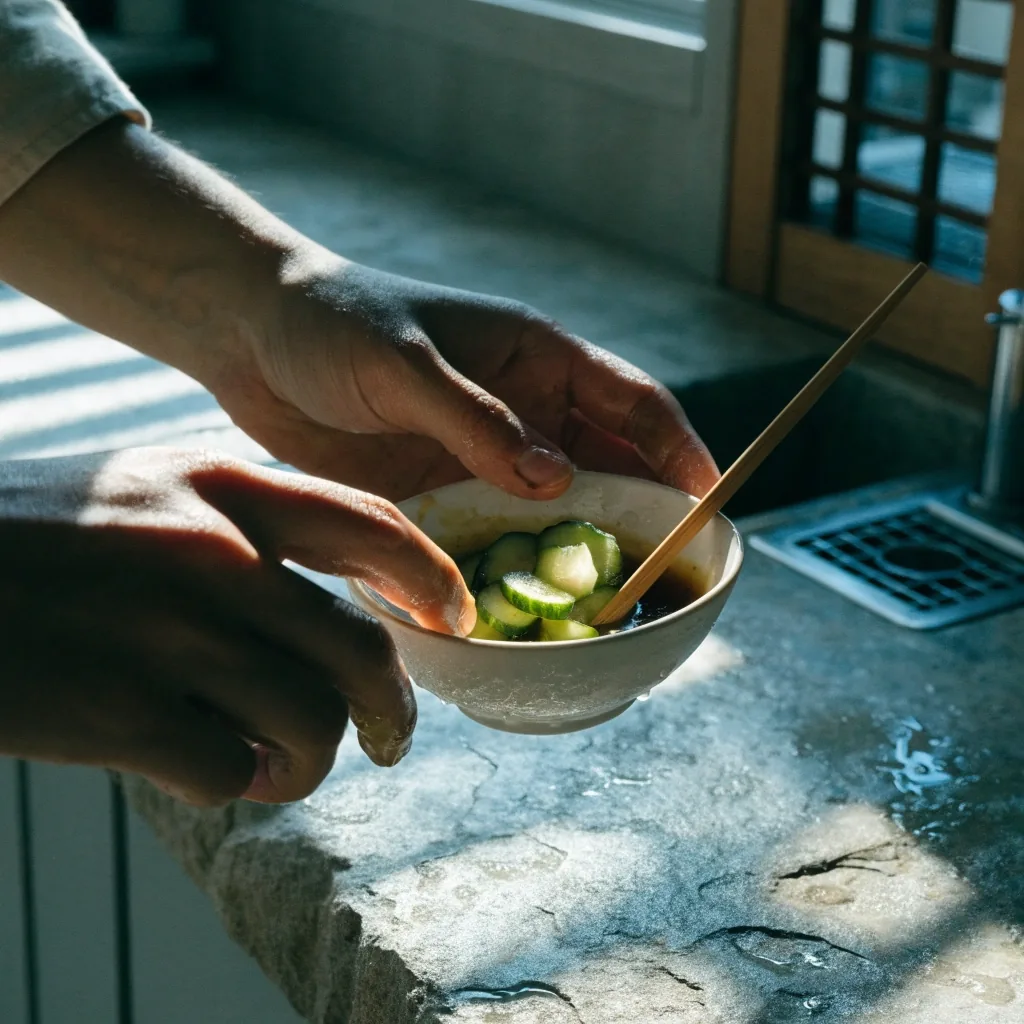
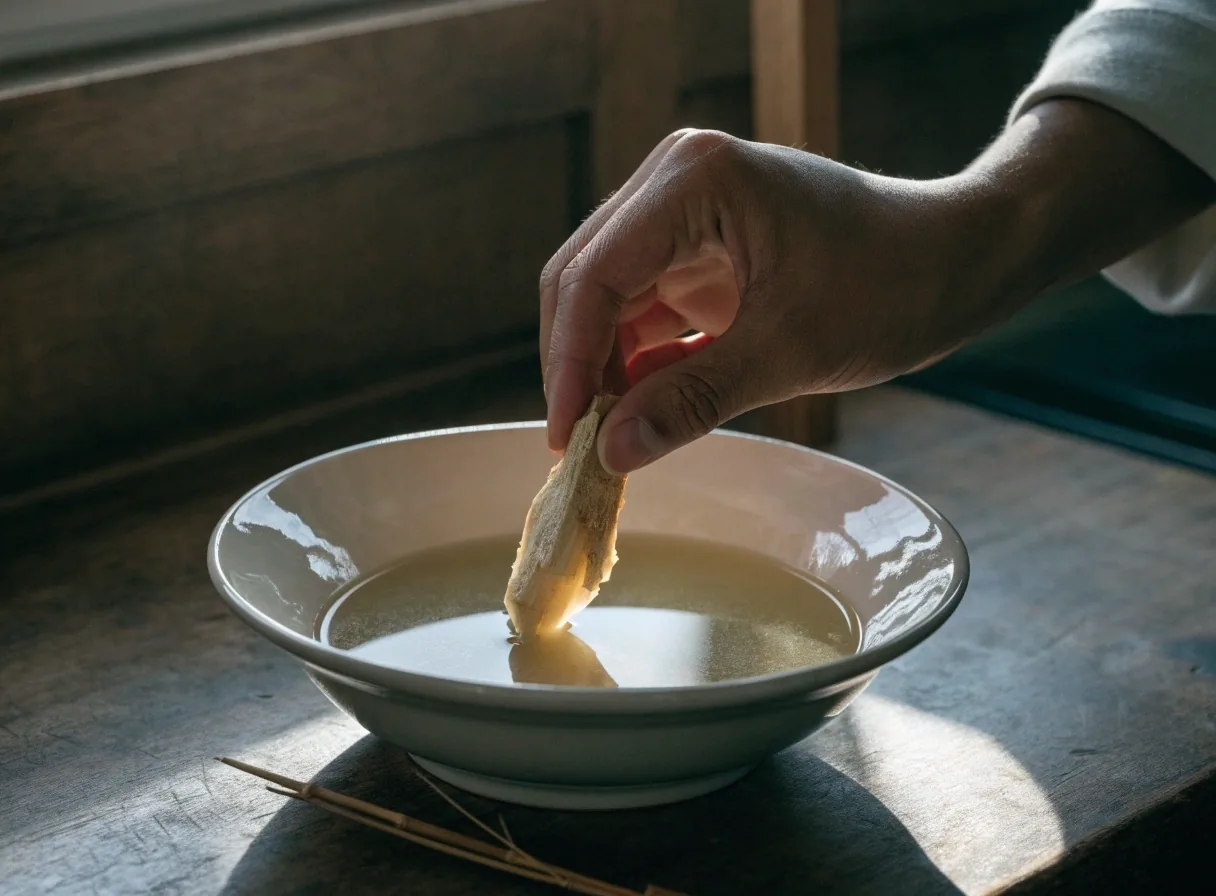
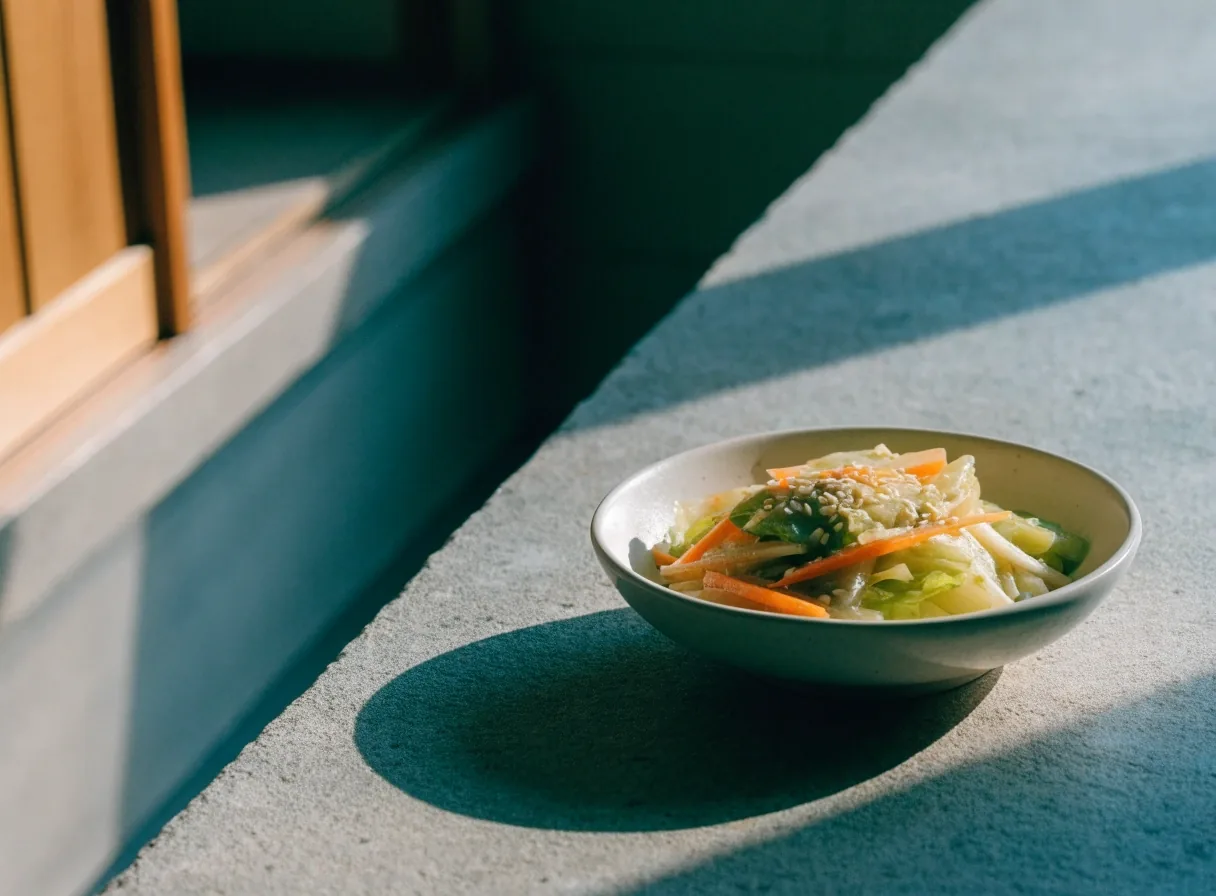
Notes from readers who cook in other climates are the reason the seasonal cooking guide carries alternatives rather than one fixed calendar. Where a substitute has been found to work, it is written into the guide with a note about how it behaves.
Questions about a recipe, corrections, and requests to expand a topic are all welcome through the contact page. Messages are read by the people who write the recipes. There is no automated reply beyond the initial confirmation.
This site has a privacy policy and a cookie policy, both linked in the footer. The only personal data collected comes from the contact form, and it is used to reply to your message. No data is sold or passed to third parties for marketing.
Read the privacy policyFuture plans include more regional home dishes, expanded notes on pickling, and a longer series on rice. If there is a topic you want covered, say so through the contact page. Reader requests shape what gets written next.