
Shun through the year
A seasonal cooking guide for the Japanese year
Japanese home cooking follows shun, the short window when an ingredient tastes most like itself.
What shun means in a home kitchen
Shun is less about rules than about paying attention to what is good right now. A vegetable in season needs less seasoning, less cooking, and fewer supporting ingredients, which is why seasonal cooking tends to be simpler rather than more elaborate.
Home cooks plan a week around what looks best at the market and then choose the method to match. The same vegetable cooked in a different month often wants a different treatment. That habit is the whole idea behind this seasonal cooking guide, and it is also the reason a home cooking blog full of traditional Japan recipes tends to read like a calendar rather than a fixed list.
Why the method changes before the ingredient does
A spring bamboo shoot wants a light simmer so its own sweetness stays forward. The same shoot in late summer is firmer and more fibrous, so a longer, gentler cook with a little more mirin brings it back into balance. The technique follows the produce, not the other way around.
This is also where most simple kitchen tips begin. Taste what you have, then decide whether it needs salt, acid, or just five more minutes in the pot.
The Japanese year, season by season
What a home kitchen reaches for, and how it treats it
Spring
Bamboo shoots, fresh greens, first spring cabbage
Summer
Cucumber, tomato, wakame, cold noodles
Autumn
Maitake, shimeji, chestnuts, satoimo
Winter
Daikon, carrot, konnyaku, negi, cabbage
Four seasons at the same distance
Cold dishes in August, simmered ones in January, and different greens at every point between. Photographed on the same stone, from the same place, so the change you notice is the food.
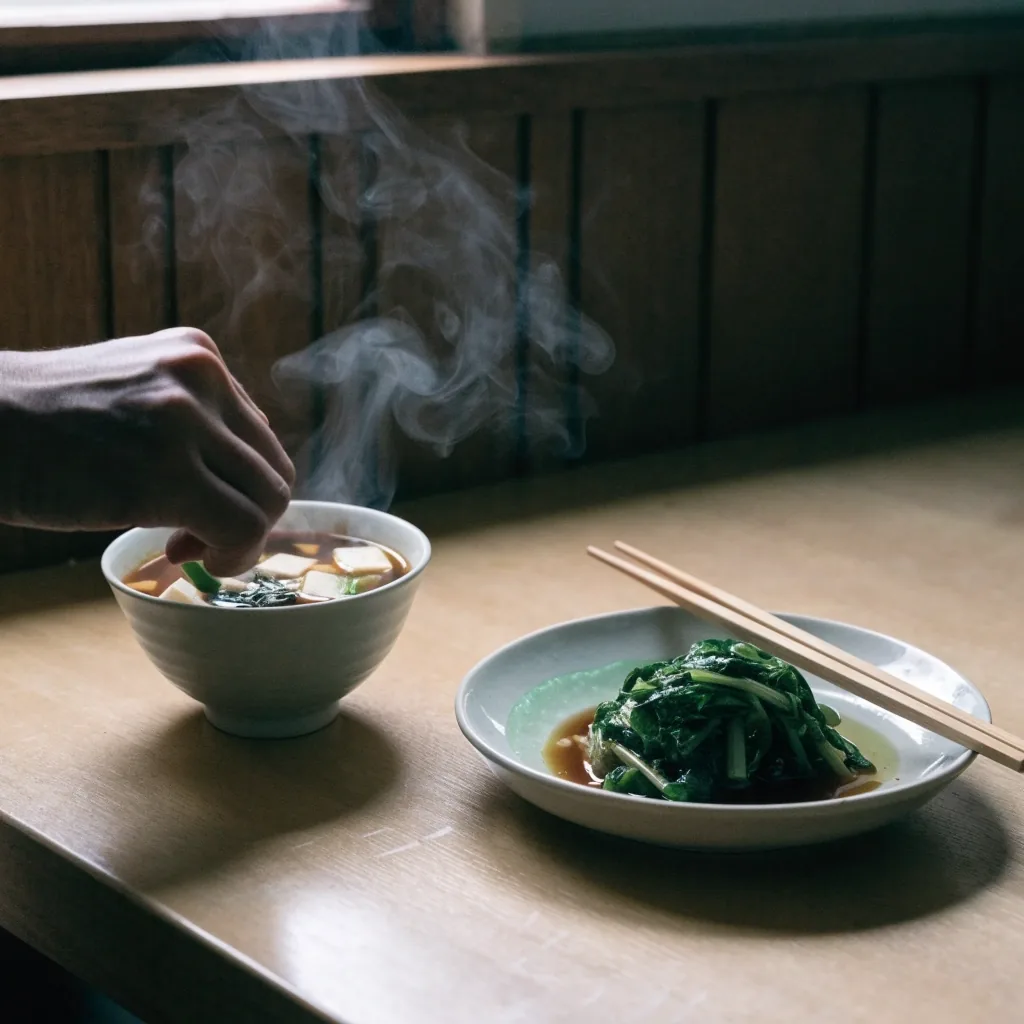
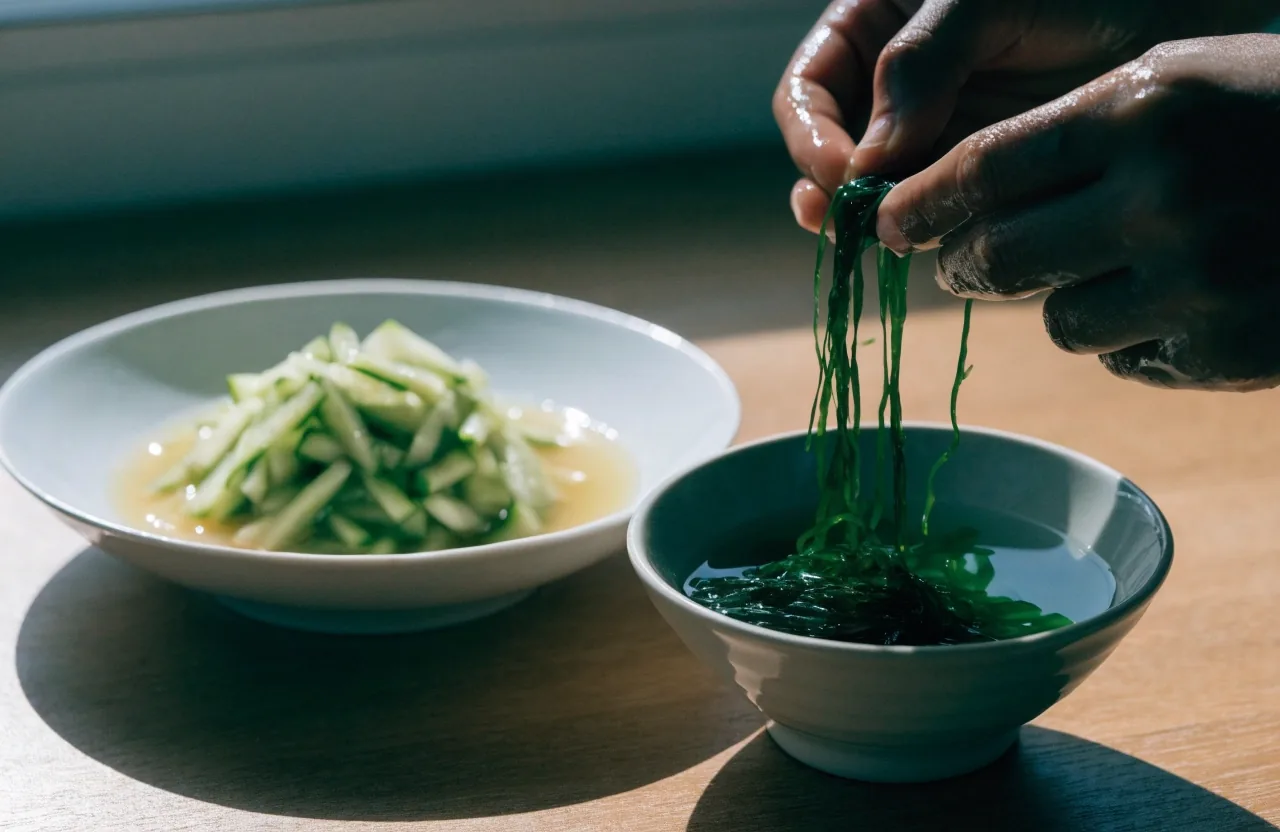
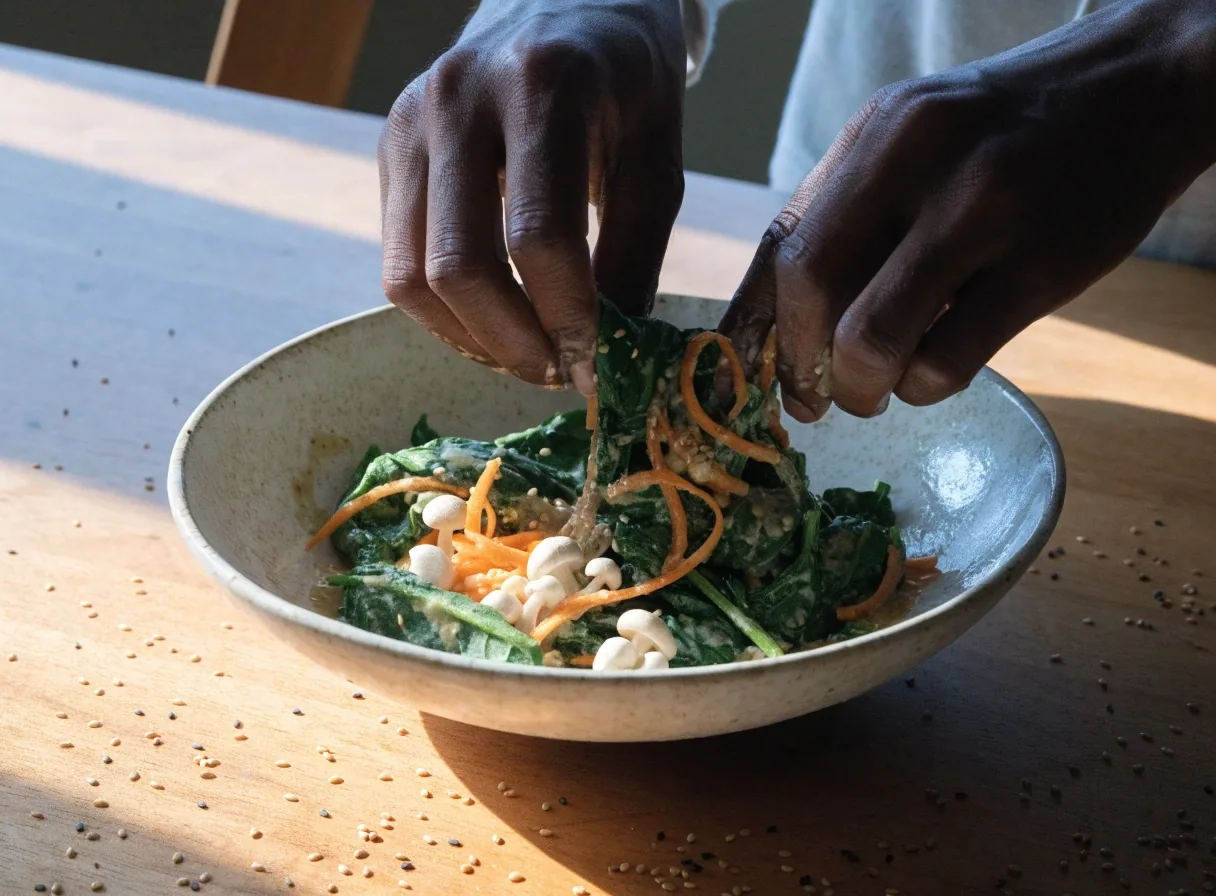
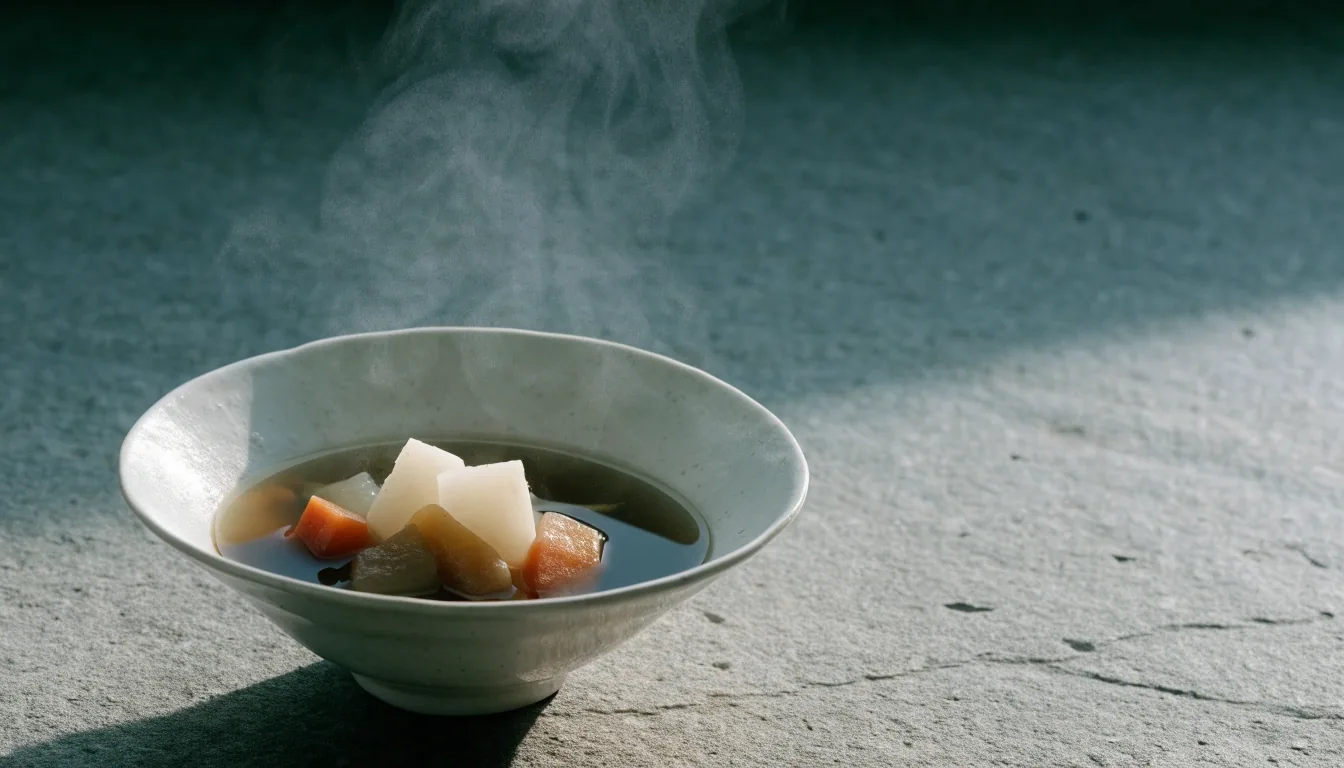
The same four-part habit, four times a year.
Spring: bamboo shoots, greens, and light seasoning
Spring brings bamboo shoots, fresh greens, and the first spring cabbage. Takenoko is simmered with dashi, soy sauce, and mirin until the pieces are tender and slightly glossy.
Tender greens go into ohitashi with a light dressing so their bitterness stays pleasant rather than sharp. Keep seasoning restrained in this season; the ingredients are doing most of the work already.
If a shoot still tastes sharp after simmering, the pot was too hot rather than too short. Lower the heat, add a splash of the soaking water, and give it another ten minutes with the lid ajar. That single correction saves more spring vegetables than any extra ingredient will.
Summer: cold dishes and vinegared sides
When the weather is hot, sunomono and chilled dishes take over. Cucumber salted and dressed with rice vinegar, tomato peeled and served cold, wakame with a light vinegar dressing.
Aemono with sesame also works in summer because it can be served at room temperature. Cold noodles and rice dishes round out meals that would feel heavy if they were hot. Salt the cucumber first and let it drain; the dressing then sits on the vegetable instead of pooling at the bottom of the bowl.
Dashi and the seasons
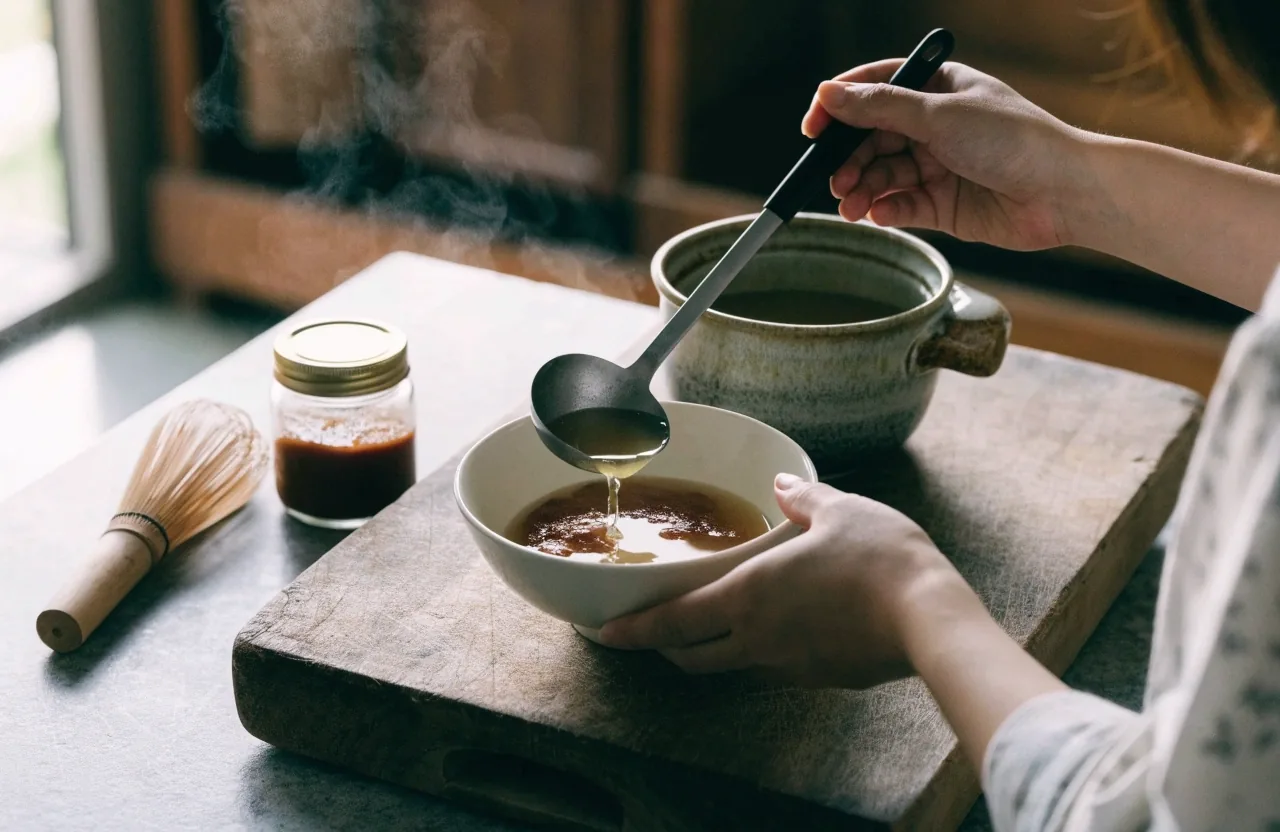
Dashi stays the same through the year, but what goes into it changes. In spring and summer, a lighter kombu dashi suits cold dishes and delicate greens. In autumn and winter, a stronger dashi with katsuobushi holds up against simmered food.
If you make only one change to your week, make this one: brew it fresh rather than in advance.
Autumn: mushrooms, chestnuts, and rice dishes
Autumn is the season for mushrooms, chestnuts, and satoimo. Maitake and shimeji cook quickly in a pan with soy and mirin, and their flavor carries a whole meal.
Takikomi gohan suits this season especially well, with mushrooms and a little chicken or tofu folded through the rice. Chestnuts need more patience: simmer them slowly and let them cool in the liquid.
Winter: nimono and long-simmered dishes
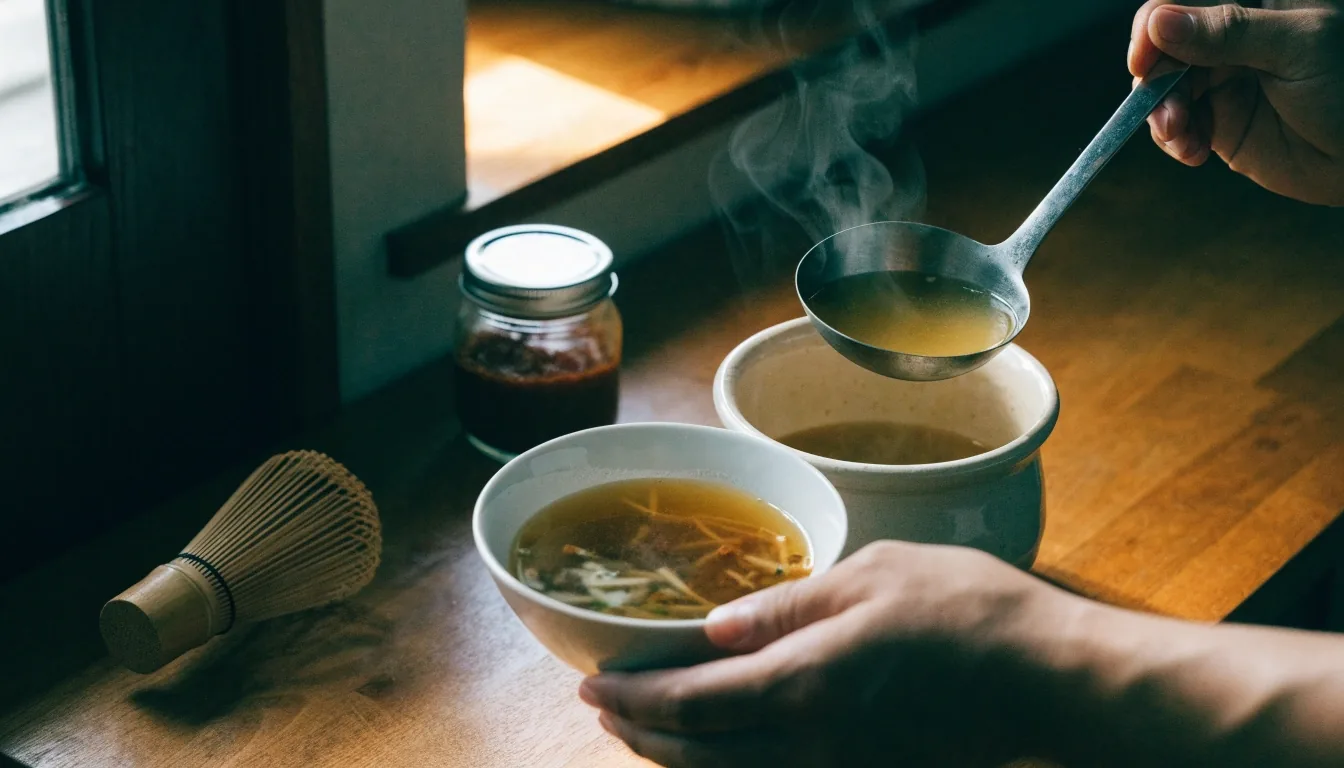
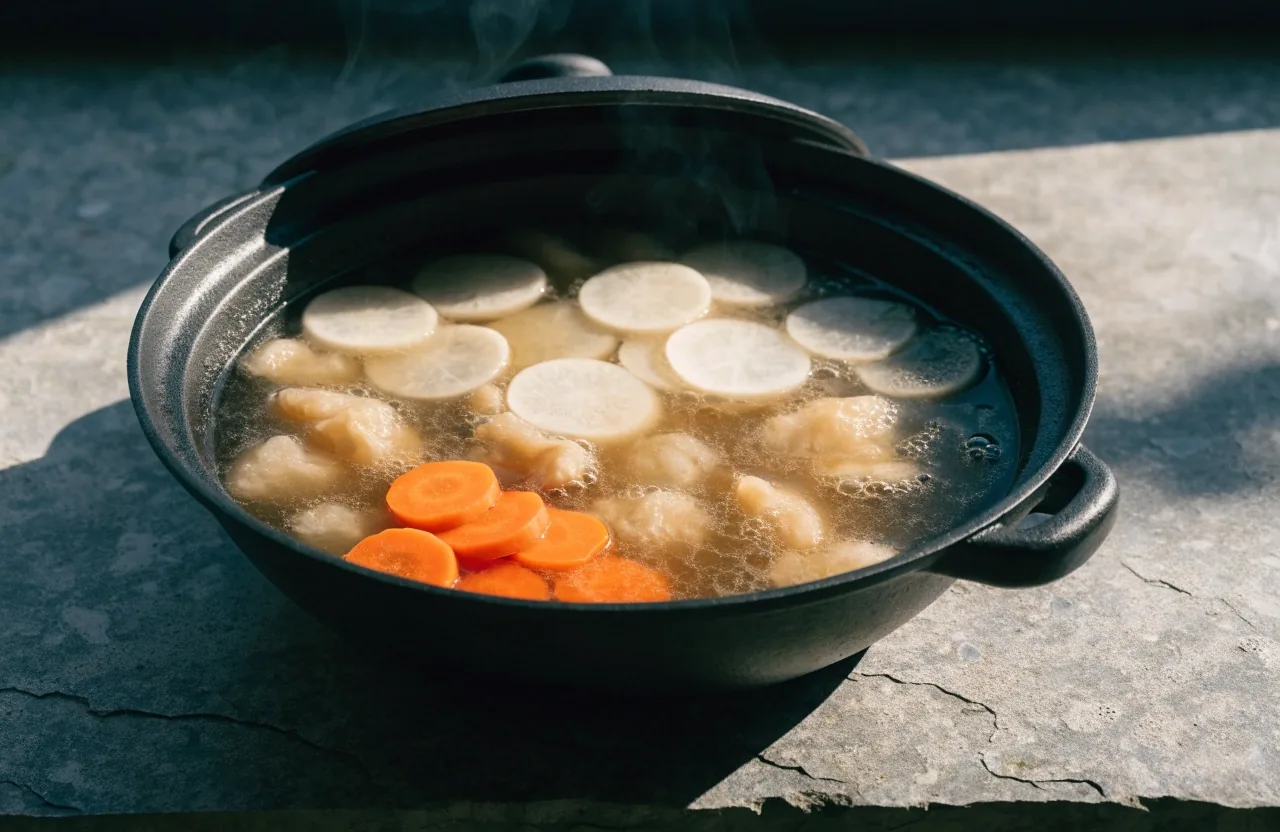
Winter meals lean toward nimono, the simmered dishes that warm a kitchen while they cook. Daikon, carrot, konnyaku, and fried tofu go into a pot with dashi, soy sauce, and mirin, and the heat stays low so nothing breaks apart.
Negi and cabbage also belong here. A bowl of hot miso soup alongside a simmered dish is the standard cold-weather pattern, and it is the closest thing this journal has to a comfort food idea for the middle of January.
Building a seasonal meal
Choose one seasonal ingredient as the center and let the rest of the meal support it. Add rice, one soup, and one side dish, and you have the ichiju sansai pattern without much planning.
If the main is strongly seasoned, keep the side plain, and the reverse. This balance matters more than any single recipe, and it is the part of everyday home meals that most family dinner recipes never explain.
One technique, every season
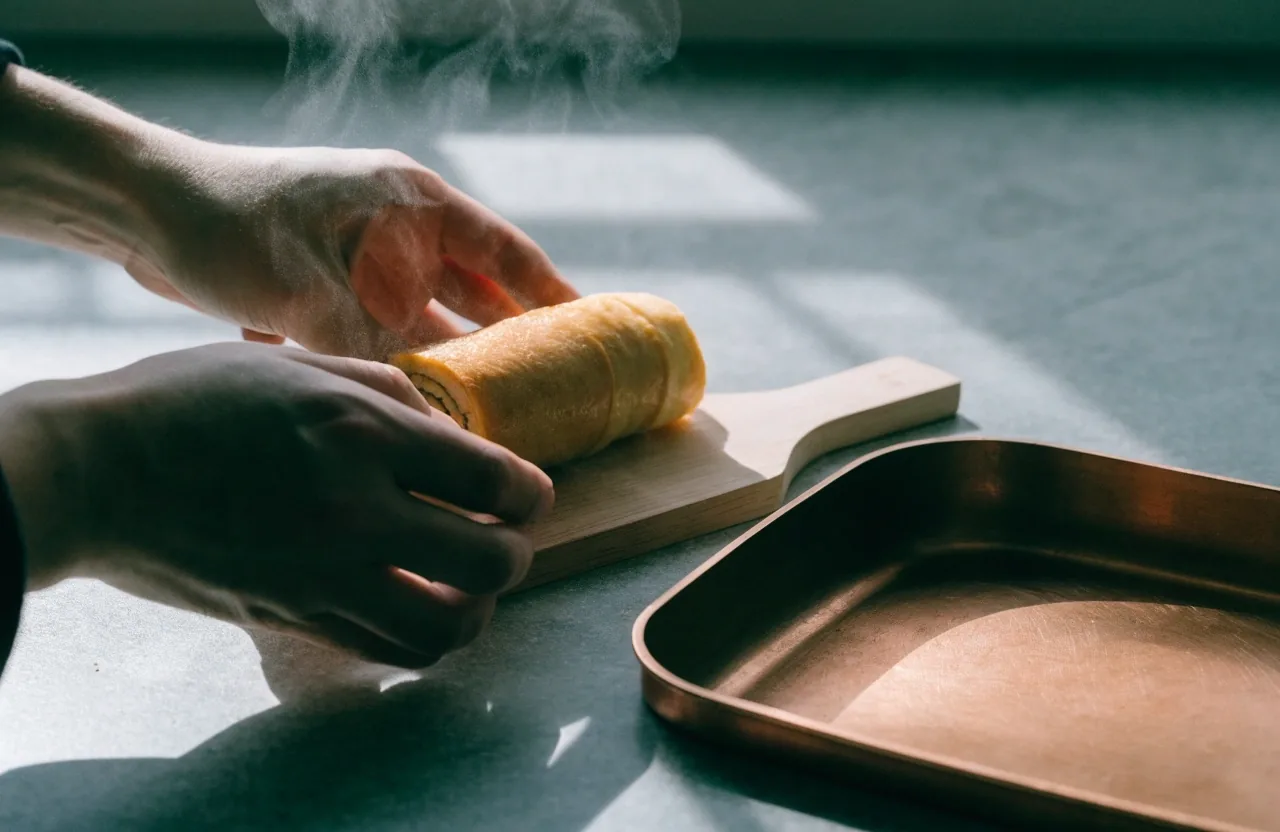
Seasoning a dish lightly, then tasting before you add more, is the habit that carries across the whole year. It works on a spring simmer and a winter pot alike, and it is the reason a cook with a small pantry can still follow the seasons closely.
Season in two passes rather than one, and taste in between.
Keep the liquid just below a boil for simmered dishes.
Let dressed vegetables sit for ten minutes before serving.
Cool a dish in its own broth so it takes the seasoning back in.
The seasonal guide is a starting point, not a fixed schedule. A year of your own notes will describe your market and your kitchen better than any general list can.
A month-by-month habit worth keeping
Write down what you cooked each week and what was in season when you made it. After a year you have a personal calendar of meals that worked in your own kitchen.
That record is more useful than any general list, because it reflects your market, your family, and the equipment you actually use. Notes written in the same week they were cooked stay honest; notes reconstructed in December rarely do.
Questions that come up while following the seasons
What if the market has nothing that looks seasonal?
Cook with what is firmest and cleanest that week, and lean the seasoning toward whatever the weather is doing. A dull market week usually means a plain meal rather than a complicated one.
Does dashi have to be made fresh every time?
It does not have to be, but the difference is easy to notice in cold dishes where little else covers it. If you make it ahead, use it within a day and keep it cold.
How do I know whether a dish wants vinegar or sesame?
Vinegar sharpens a vegetable that already tastes fresh and watery; sesame rounds off one that tastes flat or dry. Taste the vegetable plain first and the choice usually makes itself.
Where should I start if I have never cooked this way before?
Start with one simmered dish and one dressed side in the same week. Rice, soup and a side are easier to repeat than a single elaborate recipe, and the pattern is what makes the seasons useful.
Follow the year, one week at a time
Use this seasonal cooking guide as a starting point, then build the record that fits your own kitchen. If a seasonal question comes up while you cook, send it our way and we will look at it alongside the rest of the journal.
Reach the journal
1-8-11 Yukinoshita, Kamakura, Kanagawa 248-0005, Japan
Monday to Friday, 9:00 AM – 6:00 PM
+81 467 22 3841