
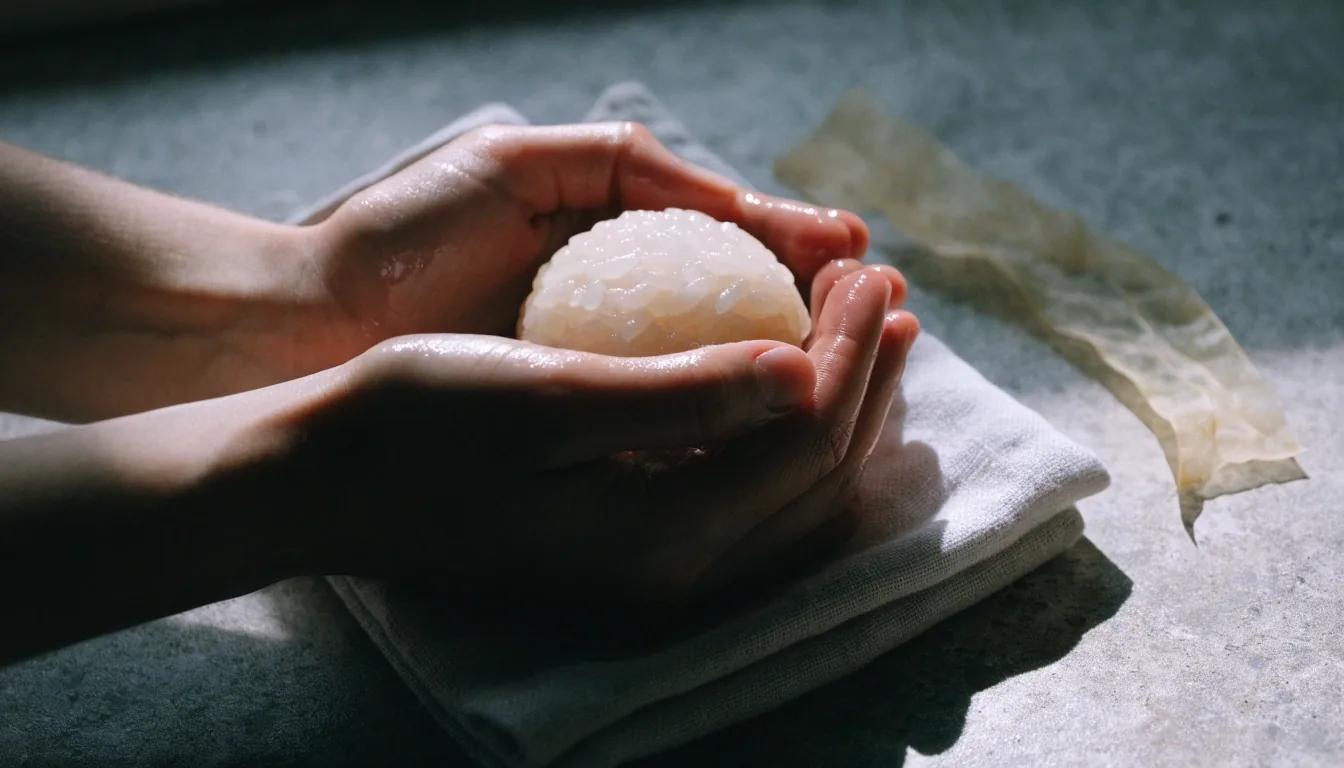
Culinary history notes
Notes on culinary history and washoku traditions
Background for the recipes you already cook, written for readers rather than researchers.
Why these notes exist
These notes collect background on how Japanese cooking took its current shape: the shift from preserved foods to fast urban sushi, the relationship between kaiseki and everyday home cooking, and the ideas that reached ordinary kitchens over time.
They are written for readers who want context for the recipes they cook rather than academic coverage. A culinary history blog can easily turn into a museum wall, so the aim here stays modest: explain where a technique came from, then hand the reader back to the pan. Where a story is contested, that gets said plainly instead of smoothed over.
Nothing on this page asks you to cook differently tomorrow. It is reference material, sitting alongside the traditional Japan recipes scattered through the rest of the journal.
Hanaya Yohei and the move to fast sushi
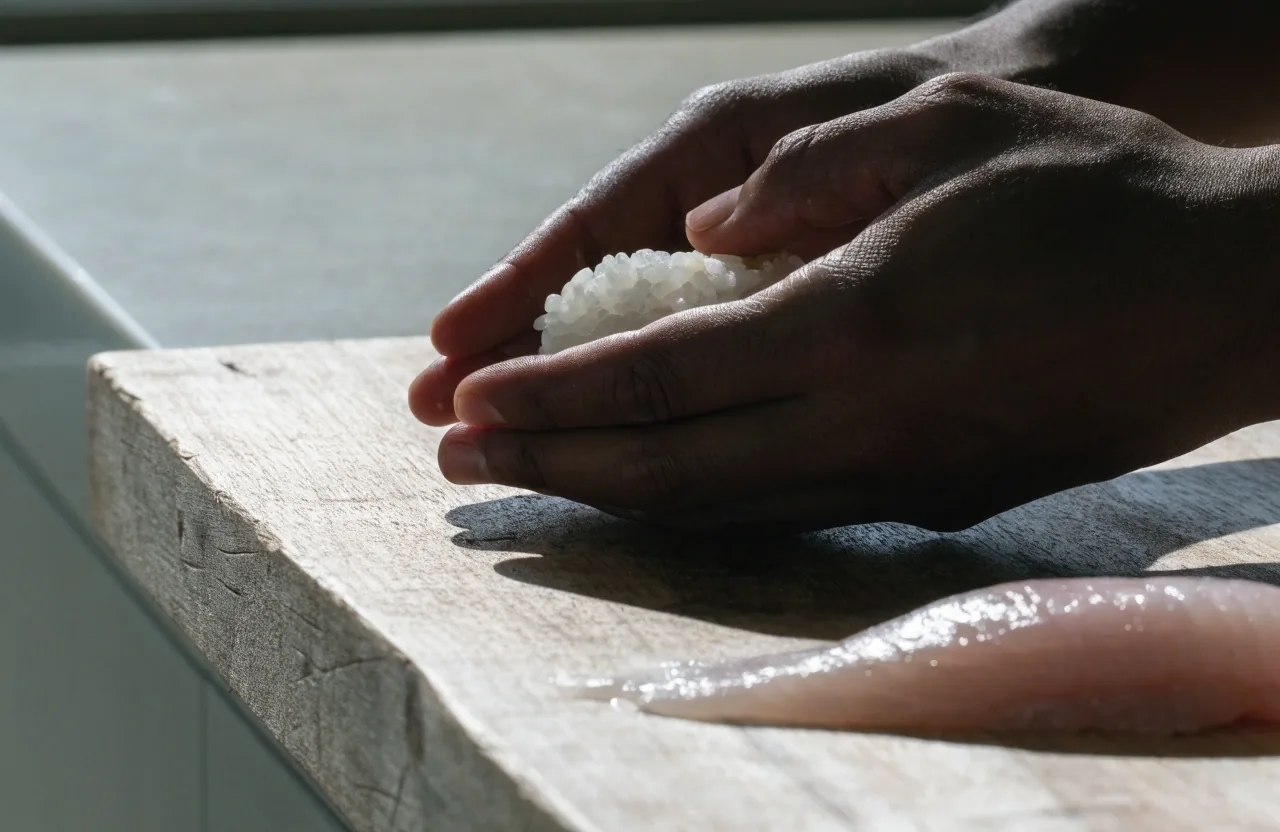
Popular accounts credit Hanaya Yohei with developing nigiri-style sushi in Edo during the nineteenth century. The change was practical. Instead of fish preserved in rice for months, sushi became something made and eaten quickly, in a city that had already learned to eat standing up.
That shift connects directly to how we eat sushi today: a food of timing and freshness rather than storage. Weigh it against the older forms and the contrast is sharp. The fermented preparations that preceded nigiri were a solution to keeping food through a season; nigiri was a solution to feeding a crowd that had no time to wait.
Treat Yohei as a historical reference figure rather than a living authority on modern cooking. What survives is the idea behind the method, not the man's kitchen: good rice at the right temperature, a topping that is not cold, and a piece that does not sit around. When a home cook shapes rice at the table on a summer evening, the logic is the same one the nineteenth-century stalls were working with.
From preserved forms to everyday meals
Before refrigeration, preservation shaped a large part of Japanese cooking. Many of those techniques survive in home kitchens as flavor rather than necessity. The table below follows four of them from their first job to their current one.
Each one started as a practical answer to a specific problem, and each one turned into a habit of taste. A pickle kept through winter is now eaten in a spoonful beside rice; a salted vegetable that once stretched a pantry is now the thing that makes a plate feel finished. Read it as a shift in what the technique was for, not a change in what it is.
Kaiseki and the tea ceremony
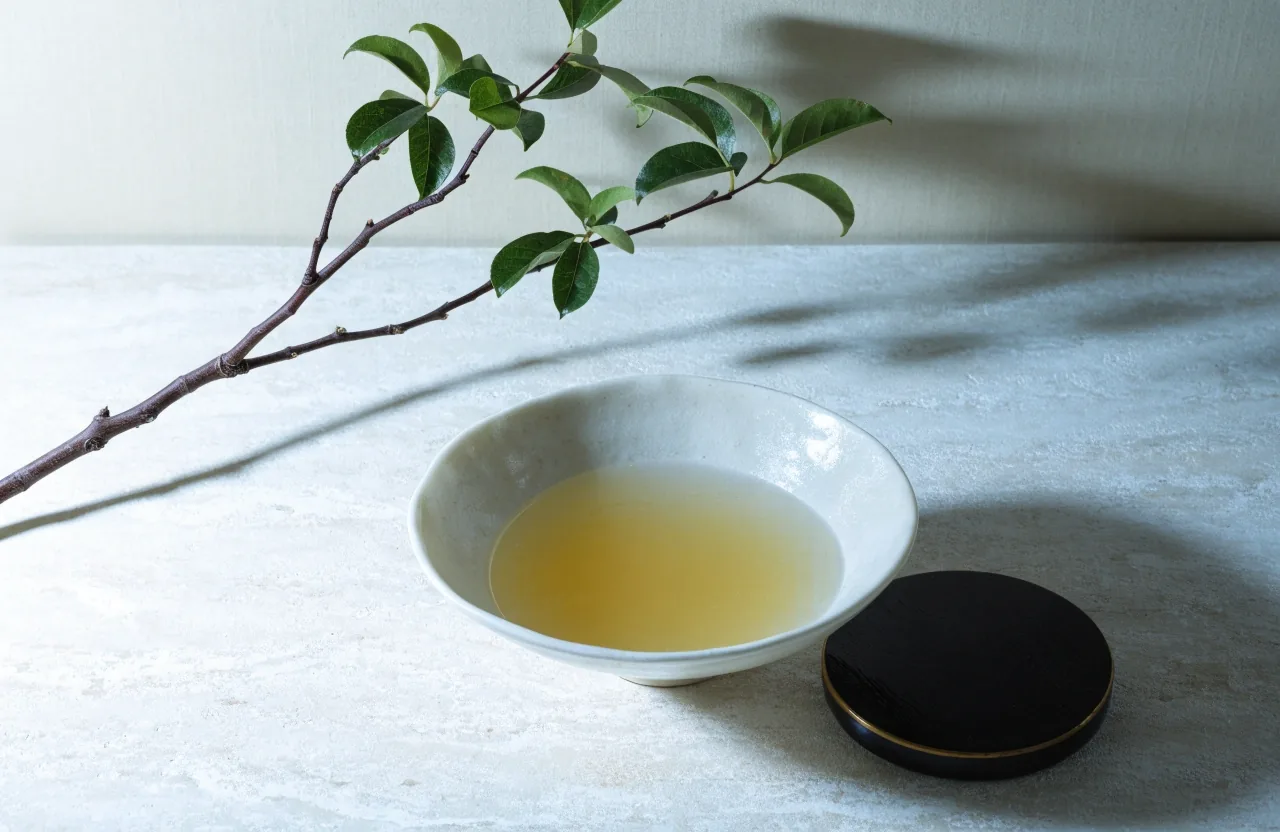
Kaiseki developed in connection with tea ceremony culture, where a meal precedes the tea itself and follows a careful sequence. The seasoning is restrained, the presentation is deliberate, and the ingredients are chosen to reflect the season.
Most home cooks will never prepare a full kaiseki, and that is fine. What matters is recognizing that the same attention to season and balance appears in simpler forms in katei ryori, the everyday cooking of a household.
What carries over
- Seasoning kept low so the ingredient reads first.
- One dish arriving at its own temperature, not all at once.
- Seasonal produce chosen for what it is, not what it costs.
What home cooking kept and what it dropped
Restaurant Japanese food and katei ryori share ingredients but differ in approach. Home cooking favors one pot, fewer components, and seasoning that works with rice. Restaurant cooking tends toward more technique and richer sauces. Over time, some restaurant dishes have moved into homes in simplified form, and some home dishes have been refined for restaurant menus. The traffic goes both ways.
Home table
One pot, three sides, rice
- A simmered dish does most of the work.
- Seasoning is measured against plain rice.
- Components stay few so the meal lands on the table warm.
- Substitutions are normal and expected.
Restaurant table
More steps, richer finish
- Technique worth the extra passes.
- Sauces reduce further and coat more.
- Plating is part of the dish.
Ichiju sansai as an organizing idea
The one-soup-three-sides pattern is a useful way to think about a meal without following a strict recipe. It keeps portions moderate, ensures vegetables appear, and gives the cook room to substitute. Historically it described a standard meal structure, and it still works as a planning tool. You can build it around fish, tofu, or a single simmered dish.
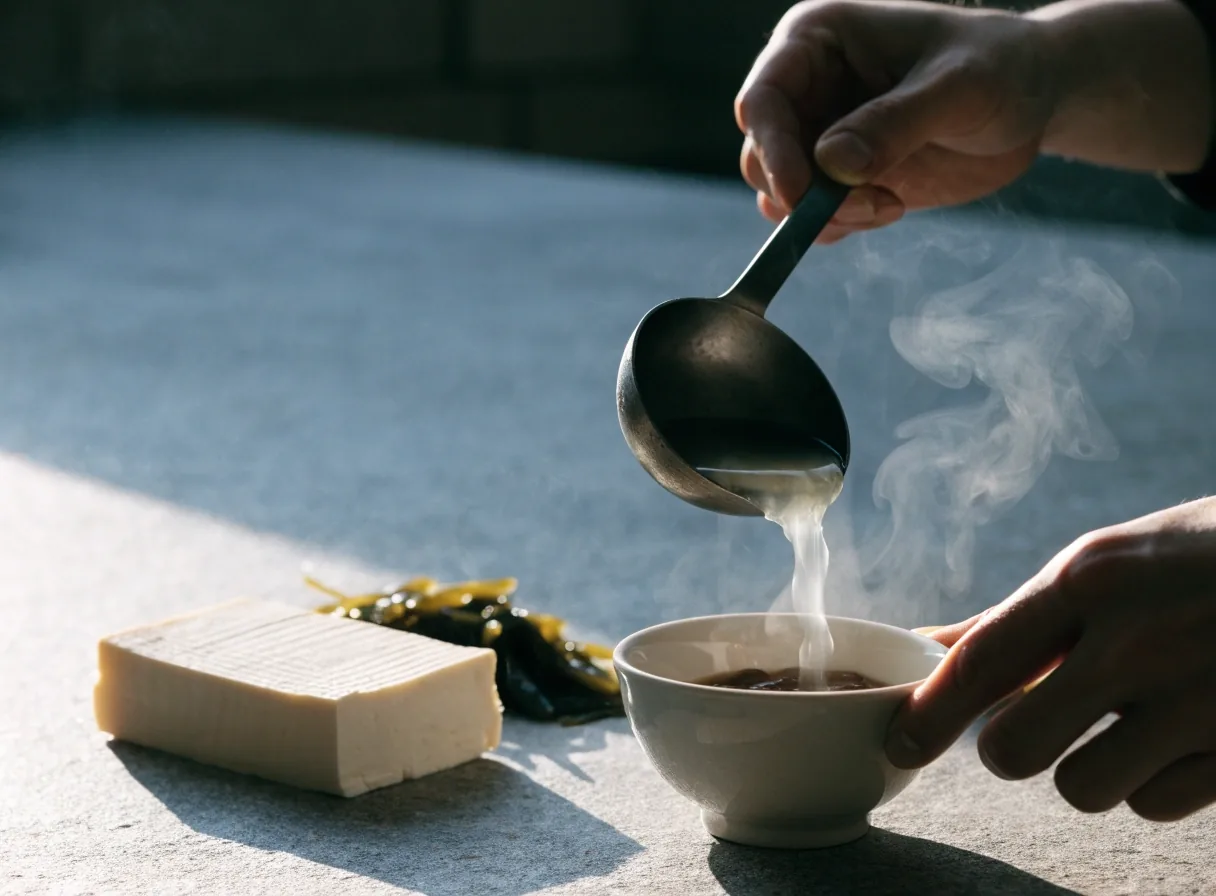
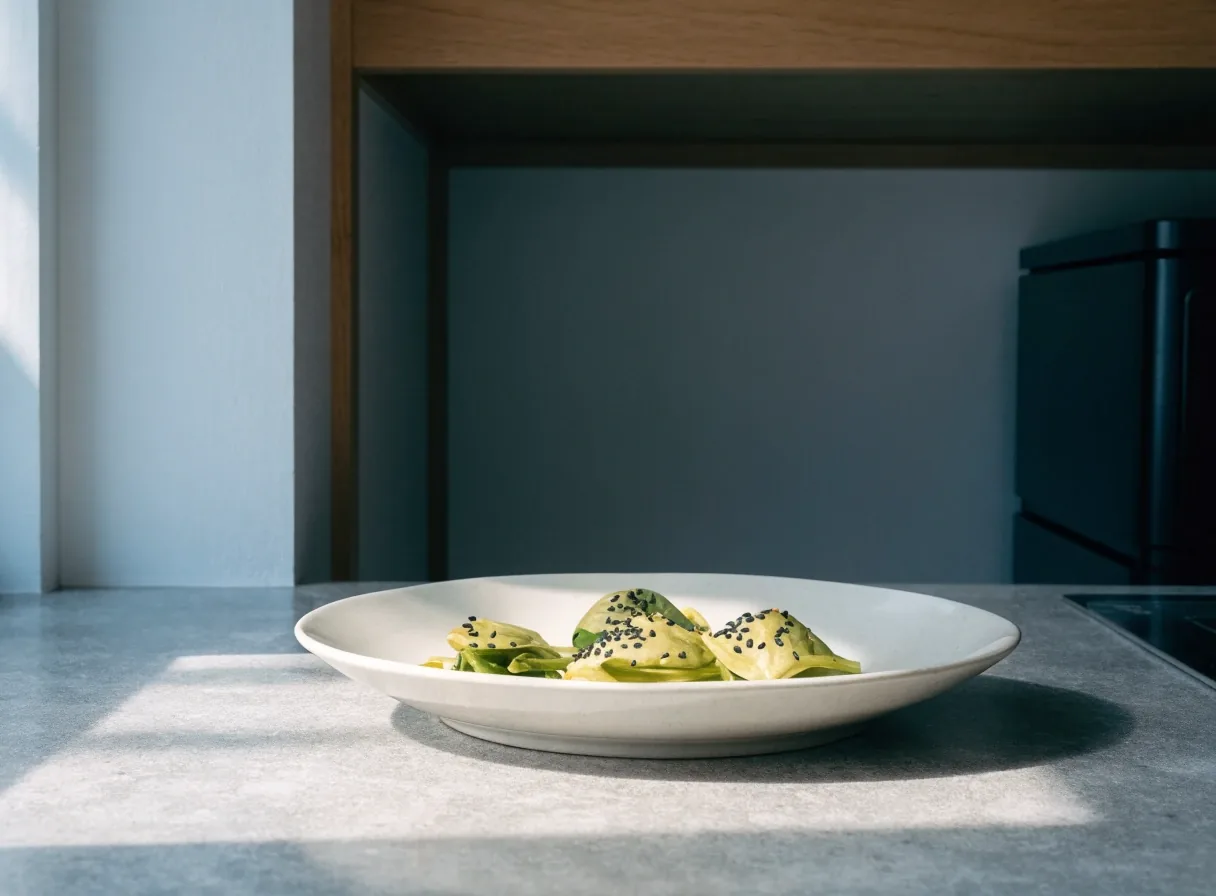
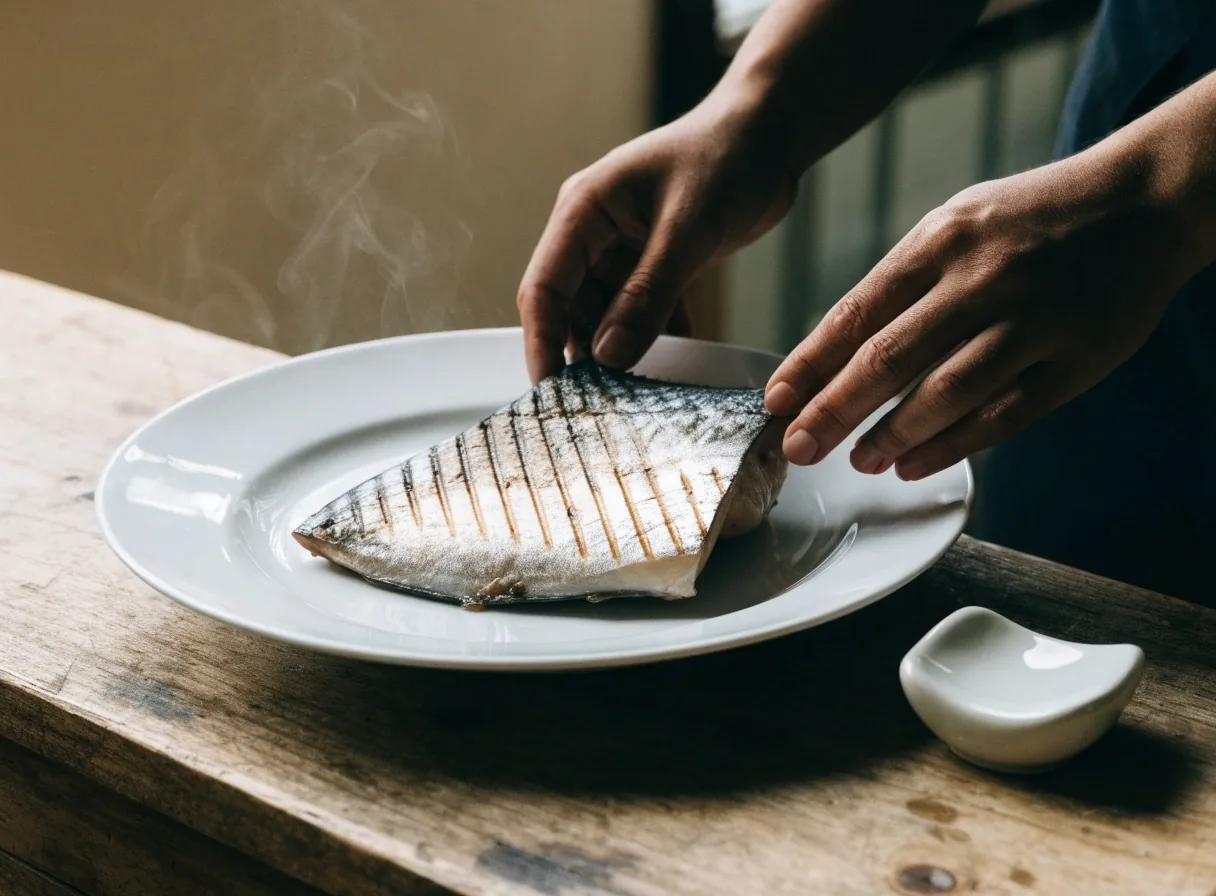
The fourth element is rice itself, which is why the pattern is often described rather than written down. Nothing on the table is styled for a photograph; the arrangement is the point, and the cook swaps in whatever the season has made good.
Umami in ordinary food
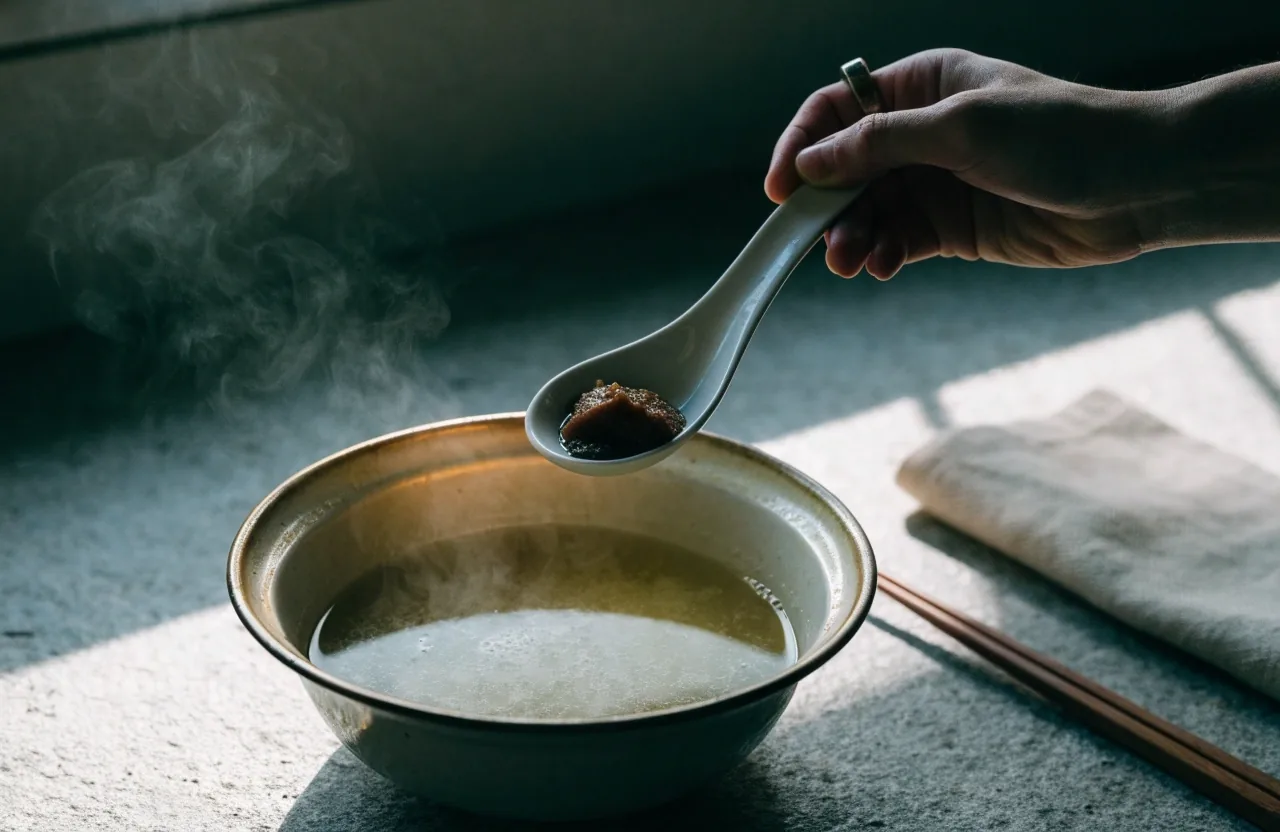
Umami is often explained through restaurant cooking, but it shows up most clearly in home staples. Dashi, miso, soy sauce, and dried shiitake all carry it, and they combine in ways that make simple dishes taste deeper than their ingredient list suggests. This is also why Japanese cooking can season lightly without tasting plain. A small amount of a strong seasoning does more than a large amount of a weak one.
For a home cook, this is less theory than a working rule: taste the broth before you add anything else. If dashi is right, a simmered dish needs very little more than a spoon of soy and a spoon of mirin. If dashi is thin, no amount of sauce will rescue it. The same logic sits under simple kitchen tips across this journal, where the seasoning is chosen to layer on the ingredients already present rather than cover them.
The cook who understands why dashi is made the way it is will season with less and complain about it less too.
Reading history without inventing it
Food history is full of stories that repeat without a solid source. When this journal covers a historical point, it stays with what is reasonably documented and avoids filling gaps with plausible-sounding detail. Where accounts differ, that is noted rather than resolved.
This is a working rule, not a claim of scholarship. Older recipes were often not written down, and the versions that survive are the ones someone thought worth recording. Where a dish has more than one origin story, the honest move is to say so. For readers who want to go further, published food histories are the better next step; a home cooking blog is the wrong place to look for court citations, and that is fine.
Why history helps you cook
Knowing where a dish came from changes small decisions: how much to season a simmered dish, why a pickle is served in a tiny portion, why sushi is eaten immediately. It also makes substitutions less arbitrary, since you understand what a technique is trying to achieve.
- Season to the dish's original purpose, not to a general rule.
- Substitute with intent when an ingredient cannot be found nearby.
- Notice which comforts are seasonal and let the calendar do the work.
The recipes remain the practical part, and the history sits alongside them. Read one section here, then go cook something simple.
Questions readers send in
A few points come up often enough to answer in one place. If your question is about a specific recipe, the notes underneath it usually cover the detail.
Did Hanaya Yohei really invent nigiri sushi?
Popular accounts credit him with developing the style in Edo, and that is how he is usually described. Food history rarely has a single moment where a technique appears, so it is safer to read Yohei as the best-known name attached to a change that had many hands behind it.
Do I need to learn kaiseki to cook Japanese food at home?
No. Kaiseki is a formal tradition with its own sequence and training. What carries over to a home table is the attitude: restrained seasoning, a dish served at its own temperature, and an ingredient chosen because the season has made it good, not because a menu demanded it.
Is umami something I can add on purpose?
Yes, most often by layering ingredients that already carry it. A drop of soy added after the pot is off the boil, a spoon of miso stirred in last, or a piece of kombu used once instead of a long reduction are all simple moves. Taste after each addition rather than following amounts from habit.
Where should I start if I have never cooked washoku?
Start with rice and one simple side, then add a broth you can make in a few minutes. The one-soup pattern on this page is a good frame: soup, one vegetable, one protein, rice. Add the rest as the habit takes hold.
Where to go next
If a note here explained a technique you cook often, the recipes go deeper. If you want to plan around the calendar, the seasonal guide follows what is good through the year. For questions about a specific page or a history point that needs a better source, the journal is reachable by email or phone.
Write to the journal
1-8-11 Yukinoshita, Kamakura, Kanagawa 248-0005, Japan
Monday to Friday, 9:00 AM – 6:00 PM
Contact the journal