
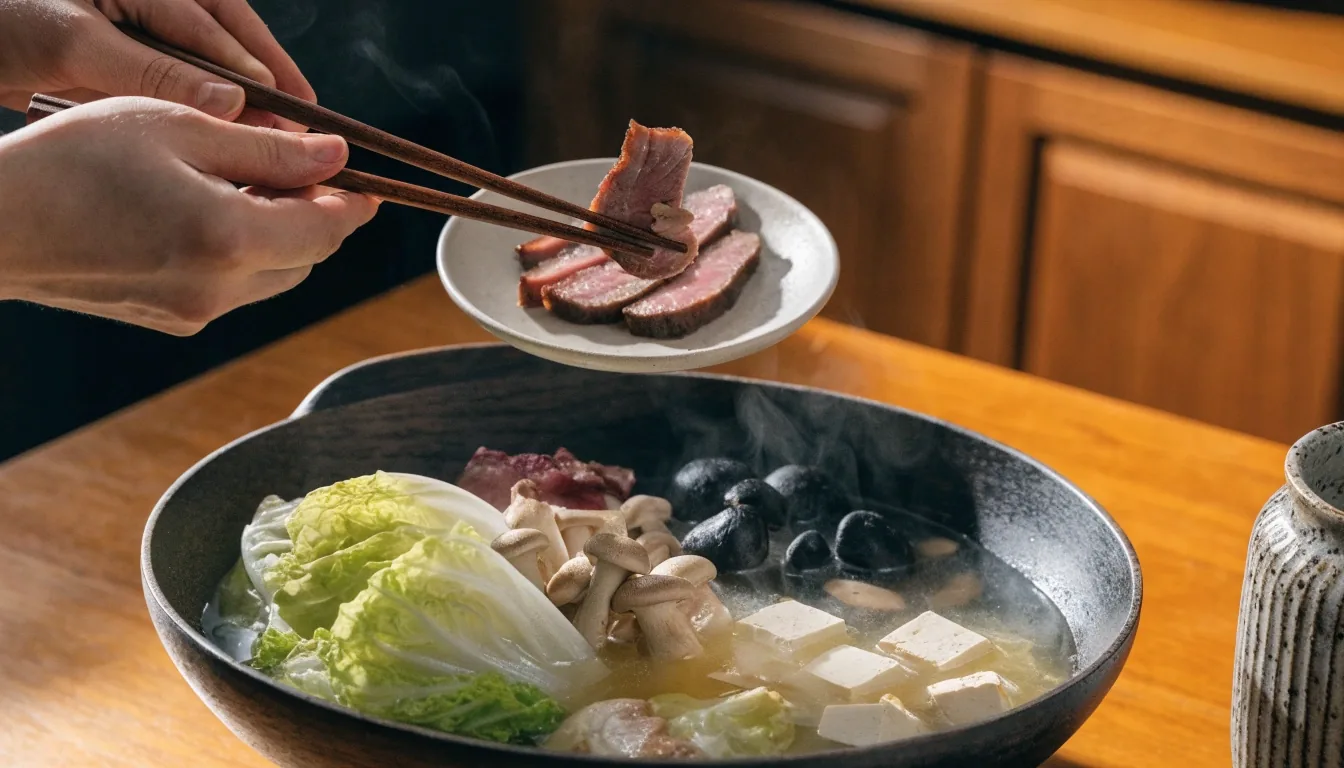
Kitchen notes and comfort food
Kitchen tips and comfort food ideas for home cooks
Practical notes on dashi, knives and pantry staples, plus the simple kitchen tips and comfort food ideas this journal returns to on a weeknight.
Making dashi without fuss
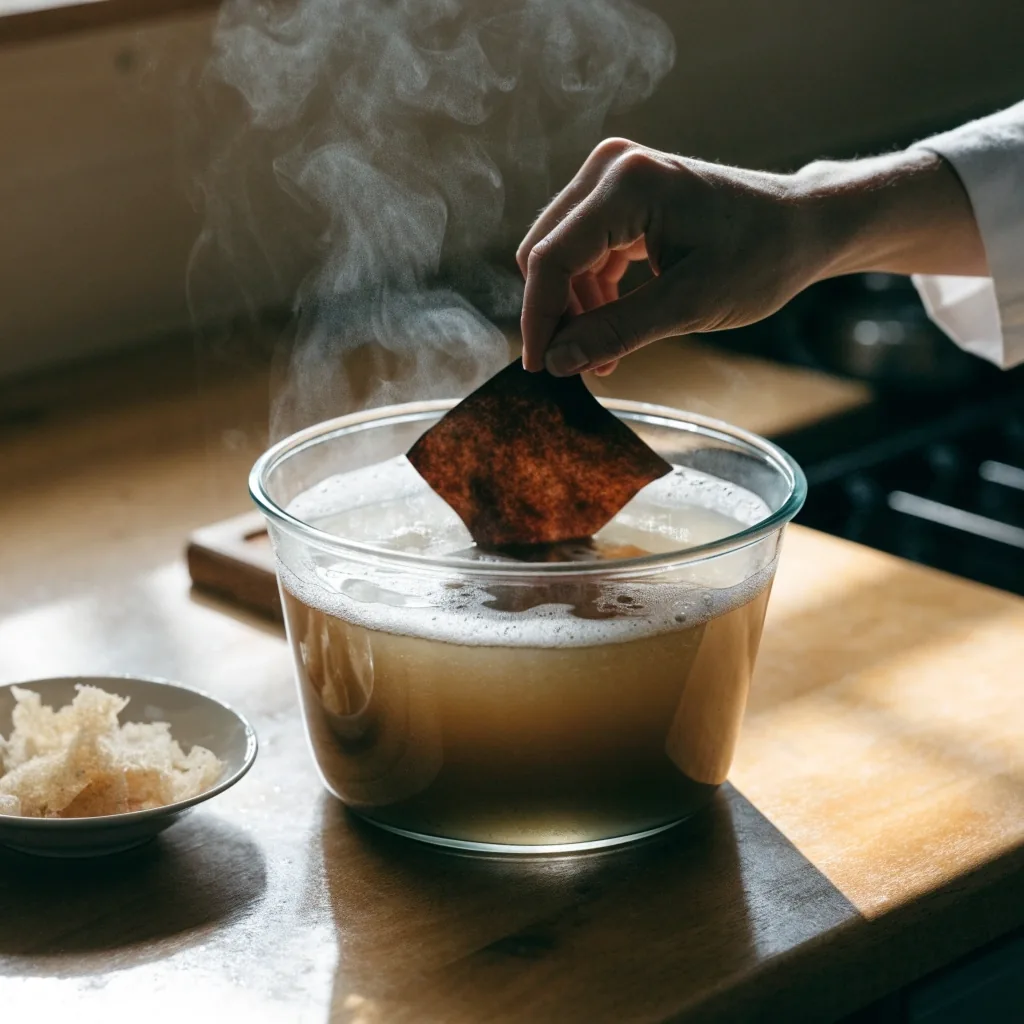
Cold-steep kombu for 20 to 30 minutes, then heat it slowly and lift it out just before the water boils. Add katsuobushi, wait for it to sink, then strain. That is the whole method. Nothing is rushed and nothing needs a thermometer.
For a weeknight, an instant dashi sachet is fine, especially in miso soup where other flavours are already present. Save the slow version for clear soups and dishes where the broth is the point.
Method at a glance
Kombu in cold water 20 to 30 minutes, held below a boil, then katsuobushi added off the heat and strained.
Knife care and the cuts that matter
A sharp knife matters more than an expensive one. Sharpen at home with a whetstone and a steady angle, or have it done professionally once or twice a year. A dull blade bruises herbs and squashes tomatoes, and it is the reason slicing feels like work.
In Japanese cooking, cut size sets cooking time. Thin slices go into quick dishes and chunks belong in nimono, where a long simmer softens without collapse. Learn sogi-giri, the diagonal cut that exposes more surface, and root vegetables start to cook evenly instead of hardening at the core.
Pantry staples worth keeping
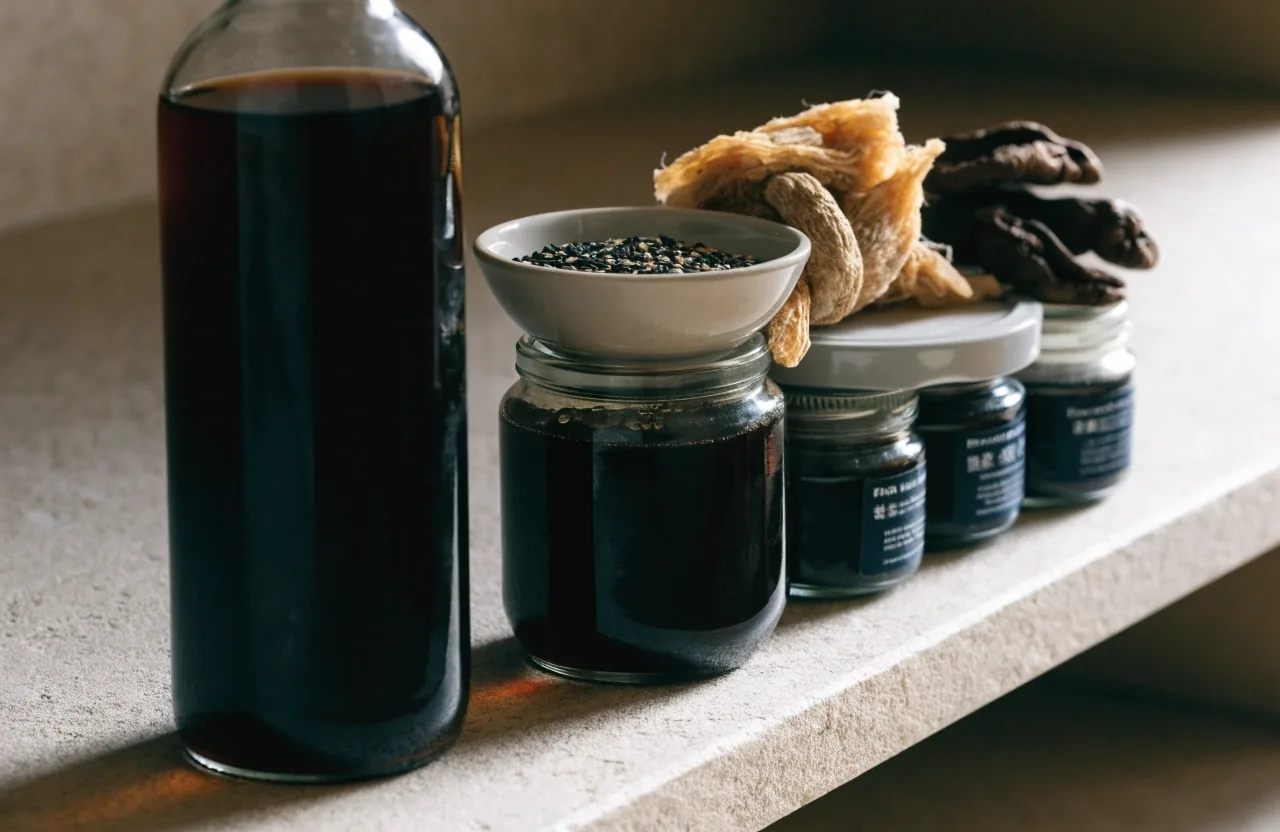
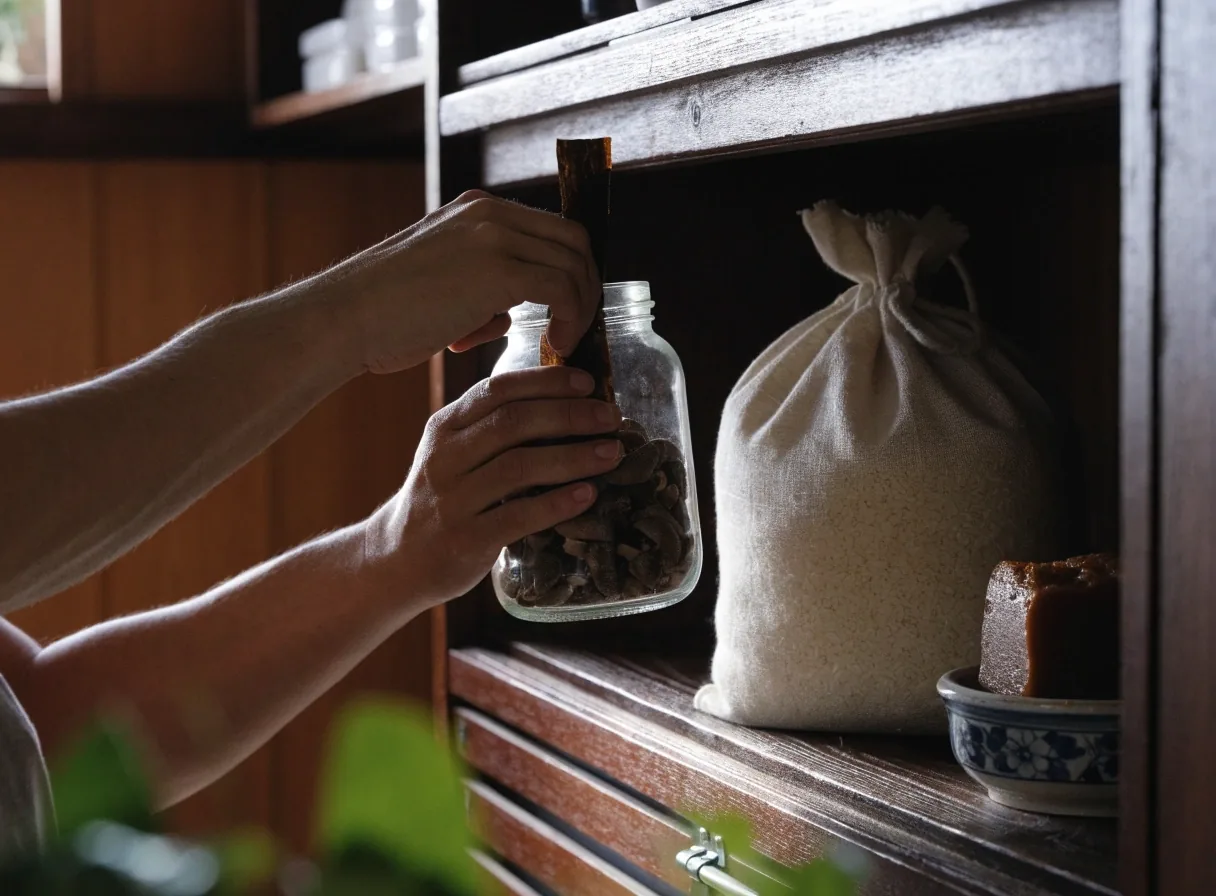
Soy sauce, mirin, sake, rice vinegar, miso and dashi in some form cover most dishes in this journal. Add toasted sesame seeds, dried shiitake and kombu for depth. Keep a bag of short-grain rice in the cupboard rather than on a shelf in the fridge, where it picks up cold smells.
Replace soy sauce once it turns flat. The flavour fades long before the bottle empties, and no amount of mirin brings it back.
Rice and water ratios
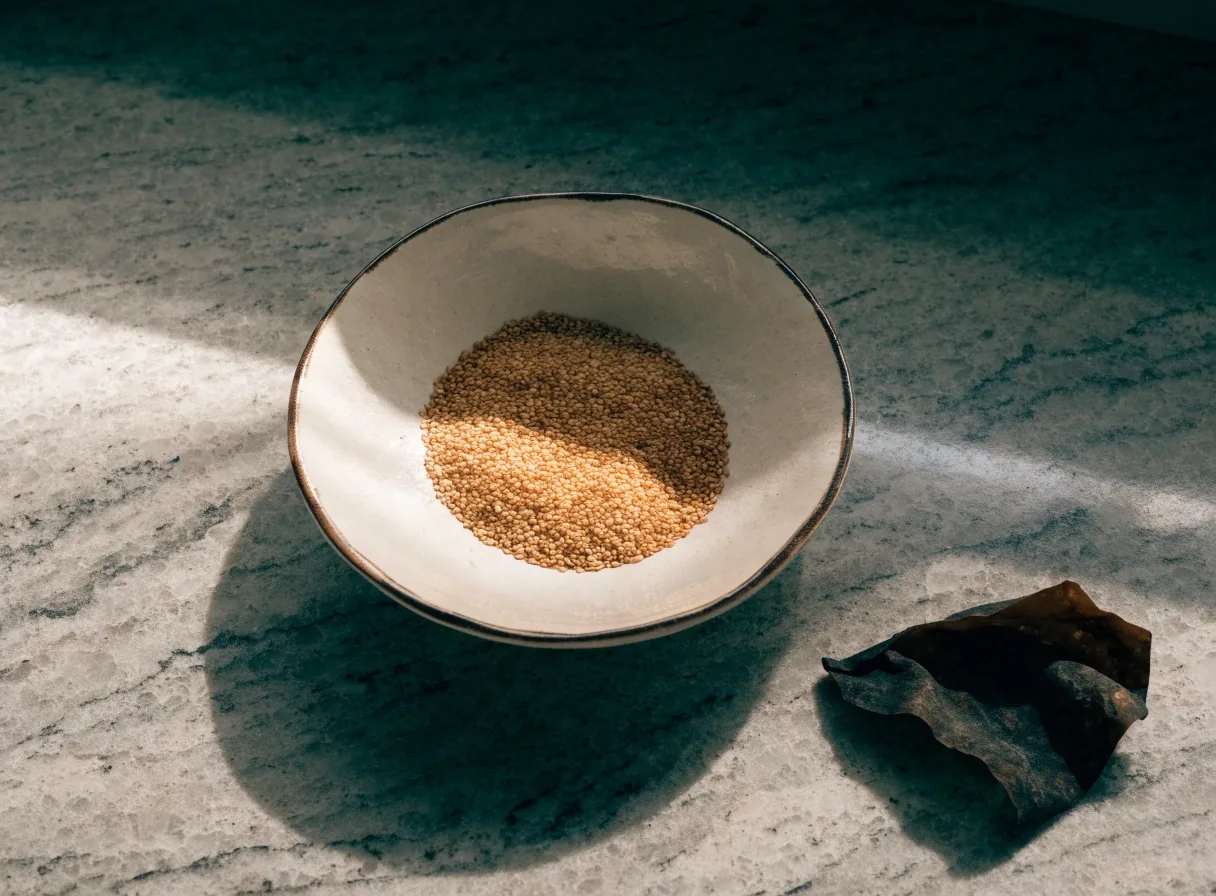
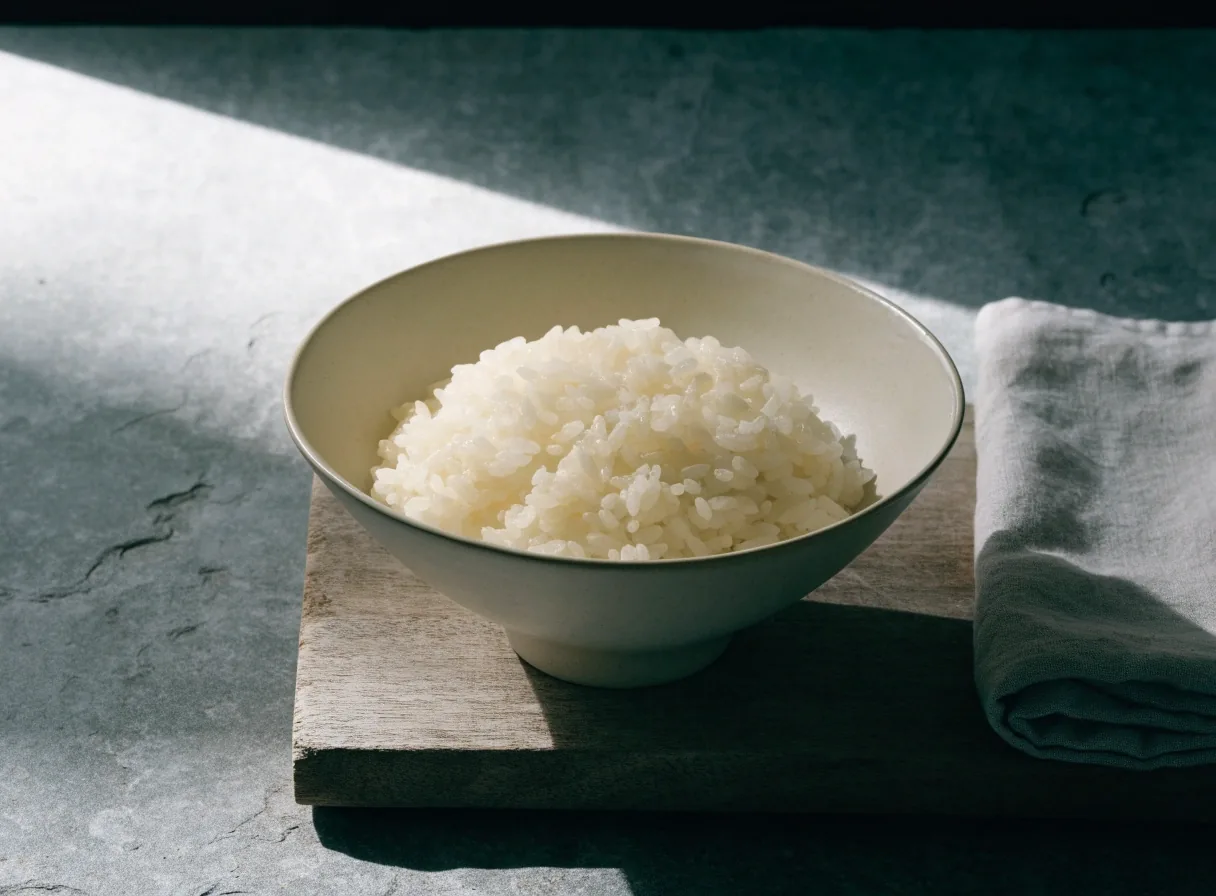
Rinse the rice until the water runs nearly clear, then use roughly equal parts rice and water by volume for short-grain. Soak it 20 to 30 minutes before cooking if the day allows, and rest it covered for ten minutes afterwards so the moisture settles back through the grains.
Those three steps matter more than the pot you use. A heavy pot with a tight lid is pleasant to work with, but a thin one with a folded tea towel under the lid will hold a steady heat just as well once you know your own stove.
Everyday home meals
Rinse clear, soak 20 to 30 minutes, cook, then rest covered for ten. Short-grain rice takes roughly equal parts rice and water by volume.
Comfort food ideas from a Japanese kitchen
These are not elaborate dishes, and that is the point. Comfort here means something warm, familiar and quick to make after a long day, using what is already in the cupboard.
Rice with a soft egg and a splash of soy sauce
Five minutes
Miso soup with whatever vegetables are on hand
One pot
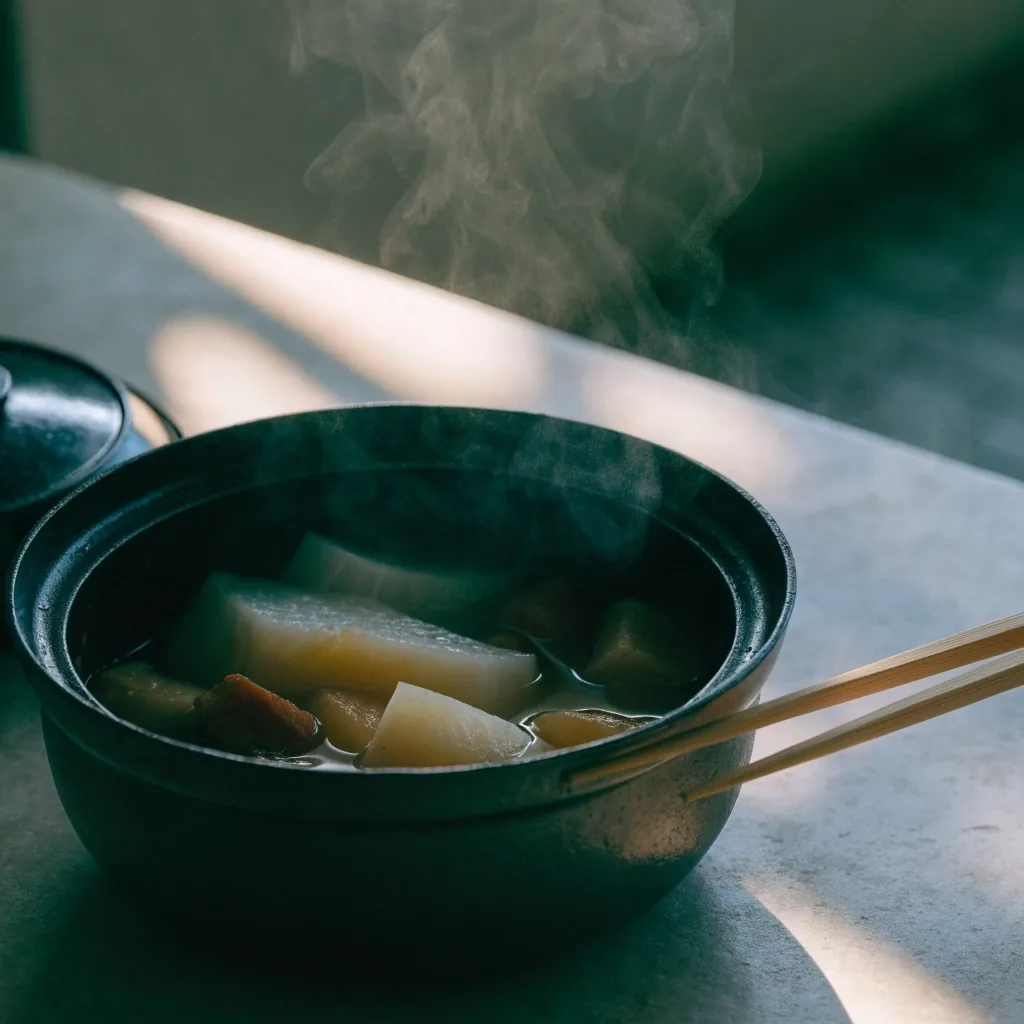
Simmered daikon in winter
Slow simmer
Grilled fish with grated daikon and citrus
Grill or pan
A bowl of miso soup built from dashi, miso and whatever is left in the vegetable drawer is the clearest example of how this cooking works. Soup is a way of using things up rather than a recipe to be followed exactly.
British culinary traditions and Japanese overlaps
Both traditions keep a strong root-vegetable habit, a long history of preserved fish, and a genuine attachment to tea. A British cook moving into washoku already knows how to simmer, roast and bake, and how to work with a short list of ingredients rather than reaching for something new.
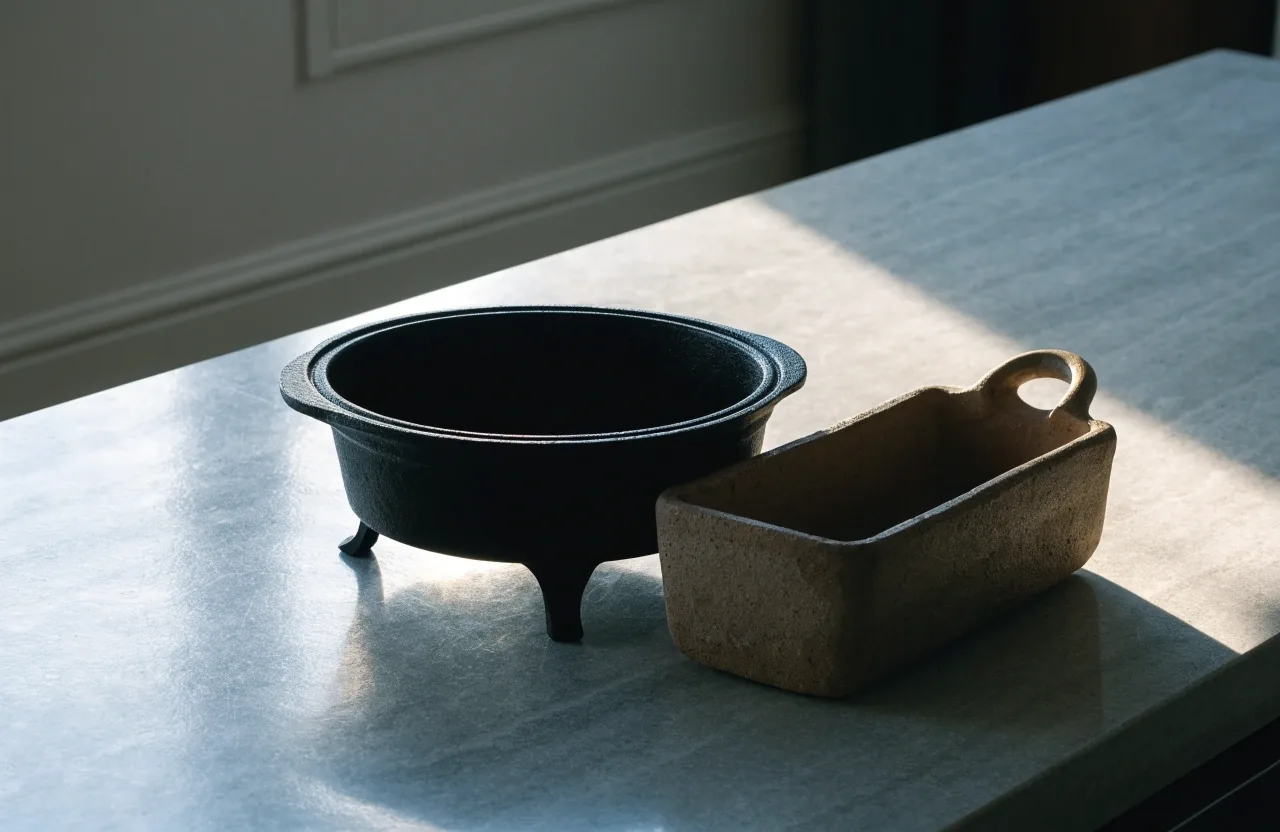
Some methods translate directly. A heavy casserole dish becomes a donabe substitute, and a hob-to-oven pot handles nimono without complaint. Firm waxy potatoes hold up in a soy and mirin broth much as they do in a Sunday roast tin, and a Sunday chicken carcass makes a perfectly serviceable stock base for soup the next day.
The notes readers send in from the UK tend to concern flour, oven temperature, and how a sponge behaves in a damp climate, which is a genuinely different problem from anything in a Japanese kitchen.
Baking notes and the oven
Oven temperature varies more than recipes admit, and an inexpensive thermometer stuck inside the door saves a lot of repeated frustration. A recipe that asks for 180 degrees may be working with 160 or 200 in your kitchen, and that gap is where a bake quietly fails.
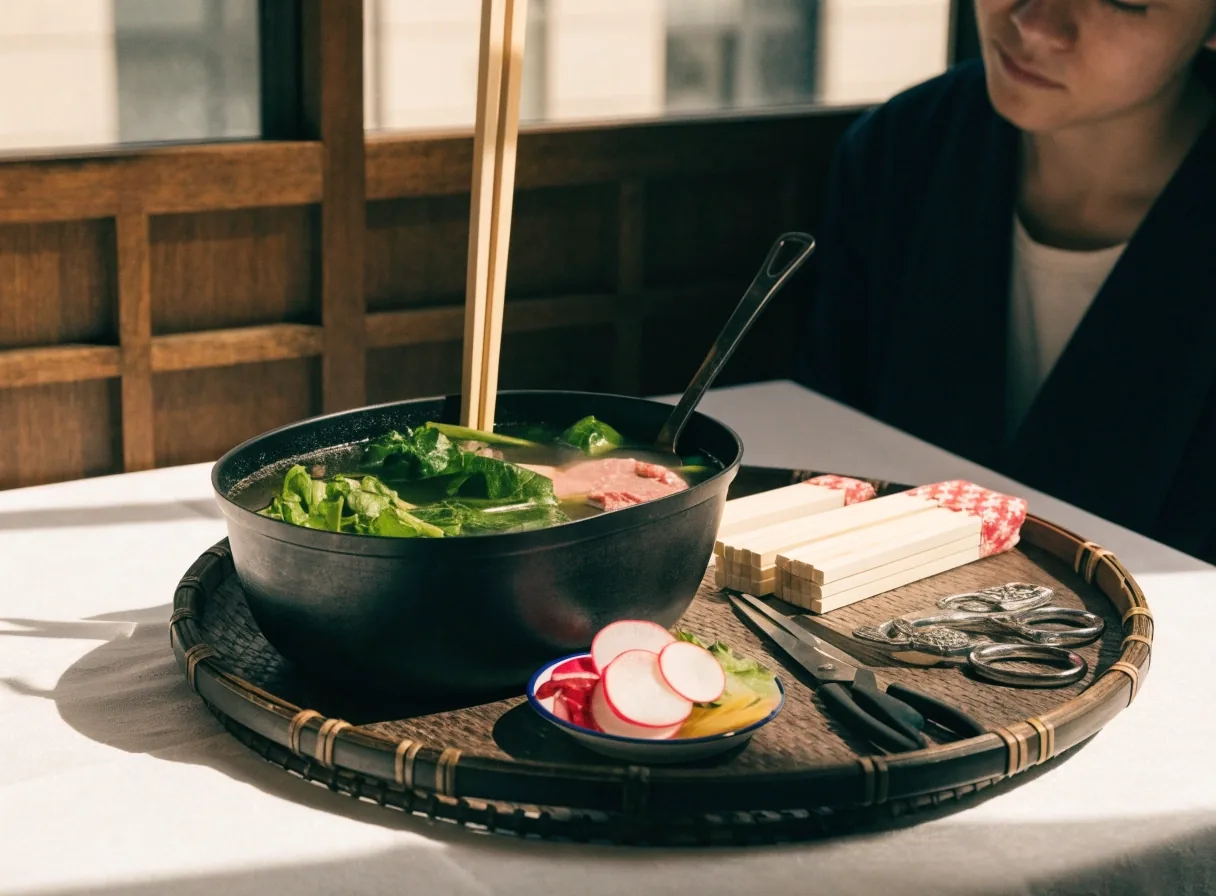
Japanese home cooking leans on the oven less than British cooking does, so it is often the technique the reader already has that makes a recipe work. Where a note here calls for grilling, a domestic grill or a very hot frying pan usually does the job, and a fish grill under the hob works well for small fillets.
When a dish goes wrong
Most problems in home cooking come from heat and timing rather than a missing ingredient, so it is worth checking the small things before changing the recipe.
Soup tastes flat
Add a little more dashi or a small pinch of salt before reaching for more soy sauce. Soy brings salt and colour at the same time, and a bowl dosed with it keeps tasting thin underneath.
Rice comes out sticky
Rinse less fiercely and rest the rice covered after cooking. Aggressive rinsing cracks grains and releases starch, which is exactly what makes the pot glue together.
Simmered vegetables fall apart
Lower the heat and add the vegetables in order of firmness rather than all at once. Daikon, carrot and potato need different times in the same pot, and the order is the whole trick.
A bake browns before it sets
Check the thermostat and move the tin lower in the oven. Most bakes are happiest with the heat coming from below and around rather than straight from the top element.
Bring your own kitchen to the journal
Dashi, knife work and pantry questions are the ones readers send in most. If a dish behaved differently in your kitchen, that is useful to know, and a note about flour, oven temperature or a stubborn pot is welcome.
This is a reading journal rather than a service. There is nothing to sign up for and nothing to receive in the post. The three routes below open the recipe index, the seasonal notes, and the contact page if you would rather write to the desk.
Vital Tide Kitchen Notes · 1-8-11 Yukinoshita, Kamakura, Kanagawa 248-0005, Japan · Monday to Friday, 9:00 AM to 6:00 PM